Article Plan: Reading Comprehension Grade 2 PDF Free Download with Answers
This article guides parents and educators to free, printable Grade 2 reading comprehension resources, including PDFs from K12reader and ClassWeekly,
boosting essential skills.
Grade 2 marks a pivotal year in a child’s reading journey. Students transition from learning to read to reading to learn, demanding stronger comprehension skills. This means moving beyond simply decoding words to understanding the meaning behind them.

Effective reading comprehension at this stage involves grasping the main idea, understanding story sequences, and recognizing character traits. Luckily, numerous free resources, including downloadable PDF worksheets, are available to support this development. Websites like K12reader and ClassWeekly offer a wealth of materials specifically designed for second graders, making practice accessible and enjoyable.

These resources aim to build confidence and knowledge, fostering a positive attitude towards reading.
Why Reading Comprehension is Crucial in Grade 2
Strong reading comprehension in Grade 2 is foundational for future academic success. It directly impacts performance across all subjects, not just language arts. When children understand what they read, they can apply that knowledge to solve problems, think critically, and expand their understanding of the world.
Without solid comprehension skills, students may struggle with increasingly complex texts in later grades. Utilizing free PDF worksheets from resources like ClassWeekly and K12reader provides targeted practice. This practice helps build essential skills and ensures students don’t fall behind, fostering a lifelong love of reading.
Key Skills Assessed in Grade 2 Comprehension
Grade 2 comprehension assessments focus on several core abilities. These include identifying the main idea of a story, recognizing supporting details, and understanding the sequence of events. Worksheets, often available as free PDFs, test a child’s ability to grasp these concepts.
Furthermore, assessments evaluate a student’s capacity to recognize character traits and make inferences based on the text. Resources like K12reader offer passages designed to hone these skills. Mastering these key areas is vital for building a strong foundation in reading and overall academic performance.
3.1 Identifying Main Idea and Supporting Details
Pinpointing the main idea is fundamental to reading comprehension. Grade 2 worksheets, often downloadable as free PDFs, present short passages where students must determine the central theme. Supporting details provide evidence for the main idea, and exercises challenge children to locate these crucial pieces of information.
Resources like ClassWeekly offer passages specifically designed to practice this skill. Successfully identifying both the main idea and supporting details demonstrates a strong grasp of the text’s core message, building confidence and analytical abilities.
3.2 Understanding Sequencing of Events
Sequencing involves recognizing the order in which events occur within a story. Many Grade 2 reading comprehension PDFs focus on this skill, presenting narratives where students must arrange events chronologically. Worksheets often include activities like numbering events or using transition words (first, next, then, last).
K12reader provides numerous printable passages ideal for practicing sequencing. Mastering this skill isn’t just about retelling stories; it’s about understanding cause and effect and the logical flow of information, crucial for overall comprehension.
3.3 Recognizing Character Traits
Identifying character traits – a character’s personality and qualities – is a key comprehension skill for Grade 2 students. Free reading comprehension PDFs often present stories where children must infer traits based on a character’s actions, dialogue, and thoughts.
Worksheets frequently ask questions like, “How does the character feel?” or “What kind of person is [character name]?” Resources from sites like ClassWeekly offer passages specifically designed to hone this ability. Understanding character traits deepens engagement and improves overall story understanding.
Types of Reading Comprehension Questions for Grade 2
Grade 2 reading comprehension PDFs utilize diverse question types to assess understanding. These generally fall into three categories: literal, inferential, and evaluative. Literal questions (“right there”) have answers directly stated in the text. Inferential questions (“think and search”) require students to combine text evidence with prior knowledge.

Evaluative questions (“on my own”) prompt critical thinking and personal opinions. Worksheets from K12reader and ClassWeekly incorporate all three, building a well-rounded comprehension skillset. Mastering these question types is crucial for academic success.
4.1 Literal Questions (Right There)
Literal questions, often called “right there” questions, are foundational for Grade 2 reading comprehension. These questions have answers explicitly stated within the text of the reading passage. Students locate the answer directly, practicing essential skills like identifying key details and factual recall.
Examples include “What color was the cat?” or “Who went to the store?”. Free PDFs from resources like ClassWeekly and K12reader heavily feature these, building confidence before tackling more complex question types. They are a crucial first step in comprehension.
4.2 Inferential Questions (Think and Search)
Inferential questions require students to “read between the lines” in Grade 2 comprehension practice. The answer isn’t directly stated; instead, students must combine information from the text with their own knowledge to deduce the answer. These “think and search” questions promote deeper understanding.
For example, “How did the character feel?” requires interpreting clues. Free reading comprehension PDFs, available on sites like K12reader and ClassWeekly, increasingly incorporate these. Mastering inference is vital for developing critical thinking skills and a more nuanced grasp of stories.
4.3 Evaluative Questions (On My Own)
Evaluative questions represent the highest level of comprehension for Grade 2 students. These “on my own” questions ask students to form opinions and make judgments about the text, justifying their reasoning. They move beyond simply finding facts to critically analyzing the story’s elements.
Examples include, “Did the character make a good choice?” or “What was the author’s purpose?” Free reading comprehension PDFs, sourced from platforms like ClassWeekly, are beginning to include these. Developing this skill fosters independent thought and a personal connection to reading.
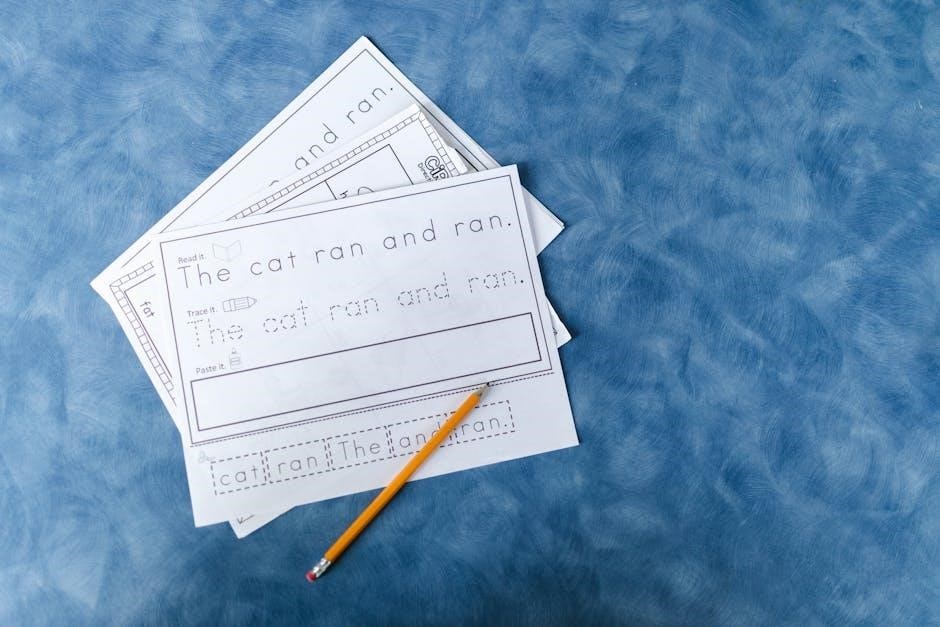
Popular Websites Offering Free Grade 2 Reading Comprehension PDFs
Numerous online resources provide free Grade 2 reading comprehension PDFs, easing the burden on educators and parents. K12reader stands out, offering 36 weeks of printable passages designed for classroom or home use, fostering consistent practice. ClassWeekly provides a wealth of printable worksheets, covering reading levels D-F, with passages and accompanying comprehension questions.

These platforms offer diverse stories and question formats, ensuring engaging learning experiences. Utilizing these free resources allows focused skill development without financial constraints, promoting reading readiness.
5.1 K12reader
K12reader is a highly valuable resource, providing a comprehensive collection of free 2nd grade reading comprehension passages in printable PDF format. Their offering spans a full 36 weeks of material, ideal for consistent practice throughout the academic year.
The passages are thoughtfully designed to enhance understanding and build essential reading skills. K12reader’s materials are easily accessible and suitable for both classroom instruction and at-home reinforcement, making it a convenient choice for educators and parents seeking quality, free resources.
5.2 ClassWeekly
ClassWeekly offers a readily available selection of free, printable 2nd grade reading comprehension worksheets in PDF format. These resources cover reading levels D through F, providing differentiated options to cater to varying student abilities.
ClassWeekly’s materials include engaging stories, accompanied by comprehension questions designed to assess understanding. The website is user-friendly, allowing for quick and easy downloads. It’s a fantastic option for teachers and parents looking for supplemental reading materials to support and enhance a child’s reading journey, all without cost.
Features to Look for in Grade 2 Comprehension Worksheets
Effective Grade 2 comprehension worksheets should prioritize engaging storylines and themes that capture a child’s interest, fostering a positive attitude towards reading. Variety in question types is also crucial, moving beyond simple recall to include inferential and evaluative thinking.
Look for worksheets that present clear, concise language and age-appropriate content. The best resources will build confidence and encourage independent reading, ultimately strengthening a student’s overall literacy skills. A good worksheet will also be visually appealing and easy to navigate.

6.1 Engaging Storylines and Themes
Captivating narratives are paramount in Grade 2 comprehension worksheets. Stories featuring relatable characters, exciting adventures, or intriguing mysteries motivate young readers to actively engage with the text. Themes should align with a second grader’s world – family, friendship, animals, and school life resonate well.
Worksheets utilizing enjoyable content transform learning into a positive experience. When children are invested in the story, they are more likely to focus on understanding the details and answering comprehension questions effectively, building essential reading skills.
6.2 Variety of Question Types
Effective Grade 2 comprehension worksheets shouldn’t rely on a single question format. A diverse range – multiple choice, true/false, fill-in-the-blank, and short answer – assesses understanding in multiple ways. This approach caters to different learning styles and prevents monotony.
Including questions that require students to locate specific information, infer meaning, or analyze character motivations promotes deeper thinking. Worksheets should progress from literal questions (“right there”) to more complex inferential ones, fostering critical reading abilities and overall comprehension.
Utilizing Answer Keys for Effective Learning
Answer keys are invaluable tools, extending beyond simple grading. They allow students to self-assess, identifying areas of strength and weakness in their comprehension skills. Independent review fosters a growth mindset, encouraging students to learn from mistakes.
Parents and educators can use answer keys to pinpoint specific concepts needing reinforcement. Discussing incorrect answers, rather than simply providing the correct one, promotes deeper understanding. This collaborative approach transforms worksheets from assessment tools into powerful learning opportunities, maximizing the benefit of free PDF resources.
Printable vs. Digital Worksheets: Pros and Cons
Both printable and digital reading comprehension worksheets offer unique advantages. Printable PDFs, readily available from sites like K12reader and ClassWeekly, eliminate screen time and allow for tactile learning – highlighting and note-taking directly on the page.

Digital worksheets, conversely, often provide immediate feedback and interactive elements. However, they require device access and may be distracting. Choosing the right format depends on the student’s learning style and available resources. A blended approach, utilizing both, can maximize engagement and comprehension;
How to Effectively Use Reading Comprehension Worksheets at Home
To maximize the benefits of free Grade 2 reading comprehension PDFs, create a dedicated learning space free from distractions. Begin with shorter passages and gradually increase complexity, utilizing resources from sites like K12reader and ClassWeekly.
Encourage active reading: have your child predict what will happen, ask questions during reading, and summarize key points. Review answers together, focusing on understanding why an answer is correct or incorrect, not just the answer itself. Make it enjoyable – reading should be a positive experience!
Integrating Worksheets with Other Reading Activities
Supplementing free Grade 2 reading comprehension PDFs (from sources like K12reader and ClassWeekly) with diverse activities enhances learning. Encourage retelling stories in their own words, acting out scenes, or drawing illustrations based on the passages;
Connect reading to real-life experiences: discuss how the story relates to their own lives or current events. Utilize read-alouds followed by worksheet practice, or book clubs with comprehension questions. This multi-faceted approach fosters a deeper understanding and appreciation for reading, building confidence and skills.
Common Challenges Students Face in Grade 2 Comprehension
Grade 2 students often struggle with identifying the main idea, particularly when it isn’t explicitly stated. Difficulty sequencing events and recalling details from free PDF reading passages (like those on ClassWeekly or K12reader) is also common.
Inferential questions – “think and search” – can be challenging, requiring students to read between the lines. Vocabulary limitations and a short attention span can hinder comprehension. Addressing these hurdles with targeted practice and engaging materials is crucial for building reading confidence.
Strategies to Help Students Improve Comprehension
Utilize pre-reading strategies like predicting outcomes based on titles and illustrations found in free Grade 2 PDFs. Encourage students to actively visualize the story while reading passages from resources like K12reader and ClassWeekly.
Teach students to identify key words and phrases, and to re-tell the story in their own words. Breaking down complex texts into smaller chunks and focusing on one question at a time can also help. Consistent practice with varied comprehension questions builds confidence and skill.
Free Sample Reading Comprehension Passage (Example)
Leo the Lion loved to play! He played with his friends in the sunny savanna. One day, Leo found a bright red ball. He bounced it high, then low. His friend, Maya the monkey, wanted a turn. Leo happily shared. They played together all afternoon!
Questions: 1. Who loved to play? 2. What did Leo find? 3. Was Leo willing to share? (Answer Key: 1. Leo the Lion, 2. A red ball, 3. Yes). Find similar passages on K12reader or ClassWeekly for more practice!
Resources for Finding Additional Grade 2 Reading Materials
Beyond K12reader and ClassWeekly, explore Reading Rockets and Education.com for diverse Grade 2 reading passages and comprehension exercises. Starfall offers phonics-based content, strengthening foundational skills. Teachers Pay Teachers provides both free and paid resources created by educators.
Consider your local library’s website for access to digital books and learning platforms. Websites like Storyline Online feature read-alouds, enhancing listening comprehension. Remember to preview materials to ensure age-appropriateness and alignment with learning goals. Utilize these tools to supplement PDF worksheets!

Copyright and Usage Rights of Free PDFs
When downloading free Grade 2 reading comprehension PDFs, always check the website’s terms of use. Most resources, like those from K12reader and ClassWeekly, are intended for individual or classroom use only.

Commercial reproduction or distribution is generally prohibited without explicit permission from the copyright holder. Respecting these rights ensures continued availability of free educational materials. Pay attention to licensing details; some PDFs may require attribution. Understand that “free” doesn’t mean “public domain.”
Empowering Grade 2 Readers
Utilizing free Grade 2 reading comprehension PDFs from resources like K12reader and ClassWeekly is a powerful step towards fostering a love of reading.
Consistent practice with varied passages and question types builds crucial skills – identifying main ideas, sequencing events, and understanding character traits. Remember to leverage answer keys for effective learning and address individual challenges. Empowering young readers requires a blend of engaging materials and supportive guidance, ultimately unlocking their full potential and fostering lifelong literacy.