Article Plan: Free Printable Tracing Numbers 1-20 Worksheets PDF
This comprehensive guide details accessing and utilizing free, printable tracing number worksheets, specifically focusing on numbers 1 through 20, available in versatile PDF formats.
Number tracing worksheets are foundational tools in early childhood education, designed to help young learners develop crucial pre-writing skills and number recognition. These worksheets present numbers in a dotted format, prompting children to follow the lines and practice forming each digit correctly.
Specifically, free printable tracing numbers 1-20 worksheets offer a focused approach to mastering the initial set of numbers essential for mathematical development. They are readily available online in various formats like PDF, PNG, and JPG, providing flexibility for parents and educators.
The beauty of these resources lies in their simplicity and accessibility. They require minimal materials – typically just a pencil, crayon, or pen – and can be easily integrated into both home-based learning and classroom activities. These worksheets aren’t just about rote memorization; they build fine motor skills, hand-eye coordination, and a solid foundation for future mathematical concepts.
Benefits of Using Tracing Worksheets
Utilizing free printable tracing numbers 1-20 worksheets provides a multitude of developmental benefits for young children; Primarily, they significantly enhance fine motor skills, strengthening the small muscles in hands and fingers necessary for handwriting. Tracing also improves hand-eye coordination, as children visually follow the path and replicate it with their writing utensil.
Beyond physical skills, these worksheets foster number recognition and understanding of number formation. Repeated practice solidifies the correct stroke order for each digit, preventing the development of incorrect habits.
Furthermore, tracing worksheets boost confidence and independence in young learners. The achievable nature of the task encourages a positive attitude towards learning. The availability in formats like PDF allows for easy printing and repeated use, making them a cost-effective and valuable educational resource for both home and school environments.
Why Focus on Numbers 1-20?
Concentrating on numbers 1-20 with free printable tracing worksheets is strategically beneficial for early childhood education. This range represents a foundational building block for mathematical understanding. Mastering these initial numbers establishes a crucial base for future concepts like counting, addition, and subtraction.
These numbers are frequently encountered in everyday life – from counting toys to identifying ages – making them immediately relevant and relatable for young learners. Focusing on this specific set allows children to achieve a sense of accomplishment and build confidence before tackling more complex numerical sequences.
The repetition inherent in tracing 1-20 reinforces number recognition and proper formation, solidifying these skills before introducing larger numbers. This targeted approach maximizes learning efficiency and sets a strong foundation for mathematical success.
Available File Formats: PDF, PNG, JPG
Free printable tracing number worksheets are conveniently offered in multiple file formats to accommodate diverse user needs and printing preferences. The most common and recommended format is PDF (Portable Document Format), ensuring consistent appearance across different devices and operating systems, preserving formatting during printing.
PNG (Portable Network Graphics) provides a high-quality raster image, ideal for viewing on screens and suitable for some printing purposes, offering lossless compression. JPG (Joint Photographic Experts Group) is another image format, utilizing lossy compression, resulting in smaller file sizes but potentially reduced image quality.
Choosing PDF guarantees a professional print, while PNG and JPG offer flexibility for digital use or quick, less-detailed prints. Many resources allow downloading in all three formats, providing options for various applications.
Understanding PDF Format for Printables
PDF (Portable Document Format) is the gold standard for printable worksheets, including free tracing number resources for numbers 1-20. Its primary advantage lies in its universality; PDFs render consistently across various operating systems (Windows, macOS) and devices, ensuring the worksheet appears as intended on any printer.
Unlike other formats, PDFs preserve fonts, images, and layout, preventing unwanted shifts or distortions during printing. This is crucial for tracing worksheets where precise lines and number shapes are essential for effective learning.
PDFs are also generally secure and can be password-protected, offering an extra layer of control. Most web browsers and operating systems have built-in PDF viewers, eliminating the need for additional software. Downloading worksheets as PDFs guarantees a hassle-free and reliable printing experience.
Customization Options for Worksheets
Many sources offering free printable tracing number worksheets (1-20 in PDF, PNG, or JPG) provide customization features to tailor the learning experience. These options enhance engagement and cater to individual needs.
Font Selection: Altering the font style can make the numbers more appealing or easier to trace for children with specific learning preferences. Some platforms allow choosing between different handwriting fonts or block styles.
Color Choices: While traditionally black and white for cost-effective printing, some tools let you adjust the color of the numbers or tracing lines, adding visual interest.

Adding/Removing Text: The ability to include a child’s name or personalized messages can boost motivation. Conversely, removing extraneous text simplifies the worksheet for focused practice.
Font Selection
When utilizing free printable tracing number worksheets (1-20, PDF format being common), the font choice significantly impacts a child’s learning experience. Different fonts cater to varying developmental stages and learning styles.
Handwriting Fonts: These mimic typical handwriting, aiding in the transition to independent writing. They promote familiarity with how numbers are commonly formed.
Block Fonts: Clear and simple, block fonts are excellent for beginners, providing well-defined shapes for easy tracing. They minimize confusion and focus on basic form.
Customizable Options: Some worksheet generators allow selecting from a range of fonts, enabling educators and parents to choose the most suitable style for the child’s needs and preferences, maximizing engagement.
Color Choices
Selecting appropriate colors for free printable tracing number worksheets (1-20, often in PDF format) can greatly enhance a child’s engagement and learning process. While black and white are standard for cost-effectiveness, incorporating color offers several benefits.
Highlighting Numbers: Using a distinct color for the numbers to be traced helps them stand out, guiding the child’s focus and reducing visual clutter. This is particularly helpful for beginners.
Motivational Colors: Bright, cheerful colors can make the activity more appealing and motivating, encouraging consistent practice. Consider a child’s favorite colors.
Color-Coding: Some worksheets utilize color-coding to differentiate between tracing and independent writing sections, providing clear instructions and structure.
Adding/Removing Text
Many platforms offering free printable tracing number worksheets (1-20, typically in PDF format) provide customization options, including the ability to add or remove text. This feature allows for tailoring the worksheets to specific learning needs and preferences.
Personalization: Adding a child’s name to the worksheet can increase their sense of ownership and motivation. You can also include encouraging messages or specific instructions.
Differentiation: Removing unnecessary text simplifies the worksheet for beginners, while adding challenges like number names or simple math problems can cater to more advanced learners.
Custom Instructions: Educators or parents can add specific instructions related to tracing techniques or counting exercises, ensuring clarity and focused practice.
Paper Size Options: A4 vs. US Letter
When downloading free printable tracing number worksheets (1-20, often in PDF format), you’ll typically encounter options for A4 and US Letter paper sizes. Understanding the difference is crucial for proper printing and usability.
A4 (210 x 297 mm) is the standard paper size in most of the world, including Europe, Asia, and Australia. It’s slightly narrower and taller than US Letter.
US Letter (8.5 x 11 inches) is the standard in the United States and Canada. Choosing the correct size ensures the worksheet fits the paper without cropping or distortion.
Consider your printer and regional standards. Most PDF viewers allow you to scale the document during printing if a slight mismatch occurs. Selecting the appropriate size from the start, however, guarantees optimal results.
Tracing Numbers 1-10 Worksheets
Free printable tracing number worksheets focusing on numbers 1 through 10 are widely available online, forming a foundational step in early number formation skills. These worksheets typically present each number with dotted lines, guiding children to practice tracing and develop muscle memory.
Many resources offer variations, including worksheets designed for crayon use (often with bolder lines) and those better suited for pencil practice (with finer lines). Some worksheets incorporate fun visuals alongside the numbers, enhancing engagement.
These initial worksheets build confidence and prepare children for more complex number tracing, eventually extending to numbers 11-20. Consistent practice with 1-10 is key before progressing.
Tracing Numbers 11-20 Worksheets
Building upon the foundation of numbers 1-10, tracing worksheets for numbers 11 through 20 present a slightly increased challenge for young learners. These worksheets continue the format of dotted lines, encouraging practice in forming these more complex numerals.
Resources often provide dedicated sets specifically for this range, recognizing the developmental leap involved. The worksheets may incorporate visual cues or counting elements to reinforce number recognition alongside formation.
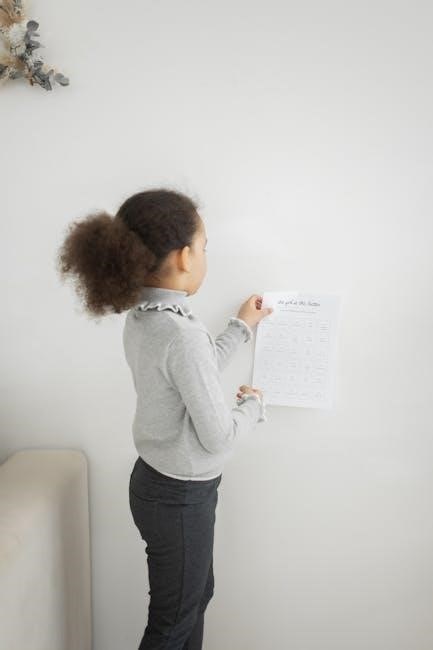
Consistent practice is crucial as these numbers introduce a new digit, requiring greater fine motor control and cognitive understanding. Successfully mastering 11-20 sets the stage for further mathematical exploration.
Tools for Effective Tracing Practice
Selecting the right tools can significantly enhance the tracing experience and learning outcomes for children. While digital options exist, traditional tools remain highly effective for developing fine motor skills and hand-eye coordination.
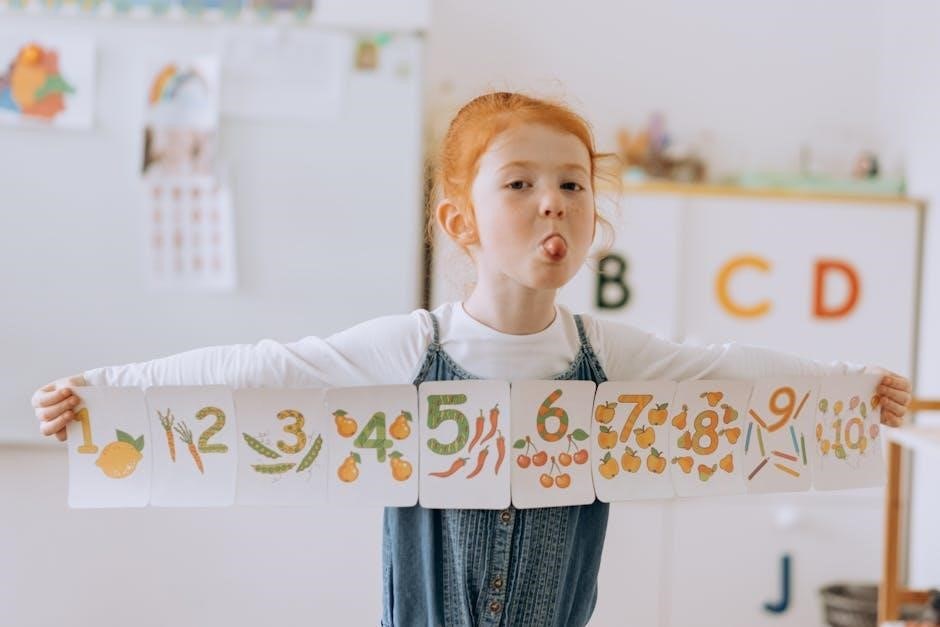
Crayons are an excellent starting point, offering a thicker line and easier grip for beginners. They encourage bold strokes and are less prone to tearing the paper. Pencils, on the other hand, promote precision and control, ideal for more advanced tracing practice.
Consider providing a variety of colors to keep children engaged and motivated. A comfortable workspace and proper posture are also essential for successful tracing sessions.
Crayons
Crayons are a fantastic tool for introducing young learners to the world of number tracing. Their thicker barrels provide a comfortable and secure grip, making them easier for small hands to manage compared to thinner writing implements. This ease of use is particularly beneficial for beginners who are still developing their fine motor skills.
The broader tip of a crayon encourages bolder strokes, reducing the frustration that can come with trying to stay within the lines. Crayons also offer a vibrant and engaging experience, as children can choose from a rainbow of colors to make their tracing practice more enjoyable;
They are less likely to tear the paper compared to pencils, making them a more forgiving option for early learners.
Pencils
While crayons are excellent for initial tracing practice, pencils offer a different set of benefits as children progress. The finer point of a pencil encourages greater precision and control, helping students develop more refined fine motor skills and learn to stay within the lines more accurately.
Pencils allow for lighter lines, making it easier to erase mistakes and practice repeatedly without cluttering the worksheet. This is crucial for building confidence and encouraging perseverance.
Using a pencil also prepares children for handwriting, as it mimics the writing tool they will use in school.
Different pencil grades (HB, 2B) can be explored to understand line weight and shading, adding another layer to their learning experience.
Number Recognition Worksheets (0-30)
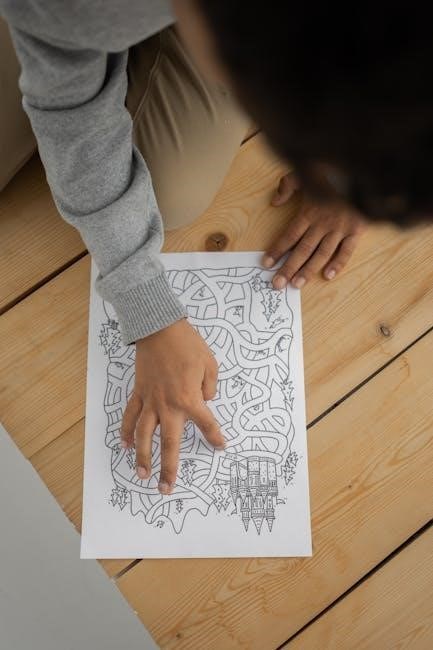
Expanding beyond tracing, number recognition worksheets are vital for solidifying a child’s understanding of numerical values. While our primary focus is tracing 1-20, incorporating worksheets covering 0-30 provides a broader foundation. These worksheets typically present numbers in various formats – standard numerals, number words, and visual representations like groups of objects.
These resources help children associate the symbol (e.g., ‘5’) with its spoken name (‘five’) and its quantity (five objects). Free printable options readily available online offer diverse activities, including circling specific numbers, matching numbers to quantities, and identifying missing numbers in a sequence.
Integrating these worksheets alongside tracing reinforces learning and caters to different learning styles, ensuring a comprehensive grasp of early numeracy skills.
Number Formation Practice
Beyond simply recognizing numbers, mastering their formation is crucial for handwriting development. Number formation practice worksheets specifically address this skill, guiding children through the correct stroke order for each digit. These worksheets often feature dotted lines that children trace, gradually building muscle memory and coordination.
Our free printable resources offer dedicated practice for numbers 1-20, but extending to 0-30 can be beneficial. Worksheets may include arrows indicating the direction of each stroke, aiding in proper technique. Consistent practice helps prevent reversals (e.g., writing ‘6’ as ‘9’) and promotes legible handwriting.
Combining tracing with independent writing practice is highly effective, allowing children to apply learned skills and build confidence.

Counting Worksheets (Integrated with Tracing)
Combining tracing numbers with counting activities reinforces number sense and mathematical understanding. These integrated worksheets present a holistic learning experience, linking numeral recognition, formation, and quantity. Children trace the number while simultaneously counting corresponding objects – like stars, apples, or balloons – fostering a deeper connection between symbols and their meanings.
Our free printable resources offer worksheets that seamlessly blend these skills, often featuring sections for tracing a number followed by counting exercises. This approach is particularly effective for young learners as it provides visual and kinesthetic reinforcement.
Worksheets can range in complexity, starting with counting small sets and progressing to larger numbers, supporting skill development from beginner to intermediate levels.
Worksheets for Different Skill Levels
Recognizing varying learning paces, our collection of free printable tracing number worksheets caters to diverse skill levels. We offer resources designed for beginners, who may benefit from larger font sizes, dotted lines, and simpler layouts focusing on numbers 1-10. These worksheets emphasize foundational number formation.
Intermediate tracing worksheets introduce numbers 11-20, incorporating more complex tracing paths and potentially including counting elements. These build upon established skills, encouraging greater independence and accuracy.
Some worksheets provide a gradual progression, starting with heavy tracing lines and transitioning to lighter guidelines as proficiency increases. This scaffolded approach ensures success and boosts confidence.
Downloadable options allow parents and educators to select the most appropriate level for each child’s individual needs.
Beginner Tracing
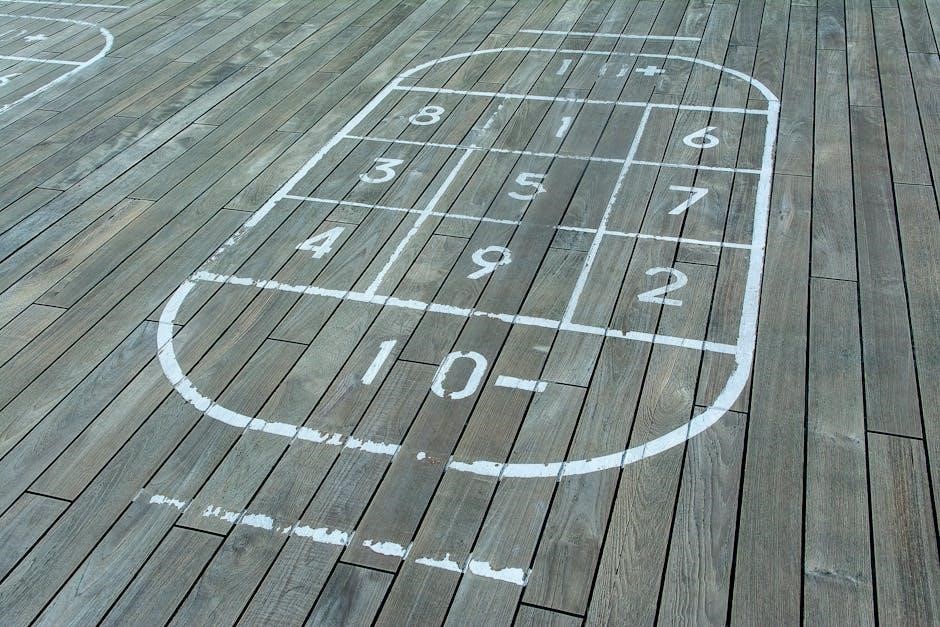
For young learners just starting their number journey, our beginner tracing worksheets provide a gentle introduction to number formation. These worksheets typically feature large, clear numbers (1-10 initially) with thick, dotted lines for easy tracing. The focus is on developing proper grip and hand-eye coordination.
Worksheets often include arrows indicating the correct direction to trace each number, minimizing confusion and promoting correct muscle memory. Simple designs and minimal distractions help maintain concentration.
We recommend using crayons or thick pencils for beginner tracing, as they are easier for small hands to control. These worksheets lay a solid foundation for more advanced number writing skills.
These resources are designed to build confidence and make learning fun!
Intermediate Tracing
As children progress, intermediate tracing worksheets offer a slightly increased challenge, building upon the foundational skills developed in beginner-level practice. These worksheets typically include numbers 11-20, and may feature thinner tracing lines, requiring more control and precision.
Worksheets may also incorporate a mix of tracing and independent writing practice, encouraging children to recall number shapes from memory. The inclusion of directional arrows may be reduced, prompting greater self-reliance.
Pencils are often preferred at this stage, allowing for finer lines and more accurate tracing. Some worksheets may include additional activities, such as coloring or counting, to reinforce number recognition.
These resources help solidify number formation and prepare students for more complex mathematical concepts.
Incorporating Worksheets into Learning
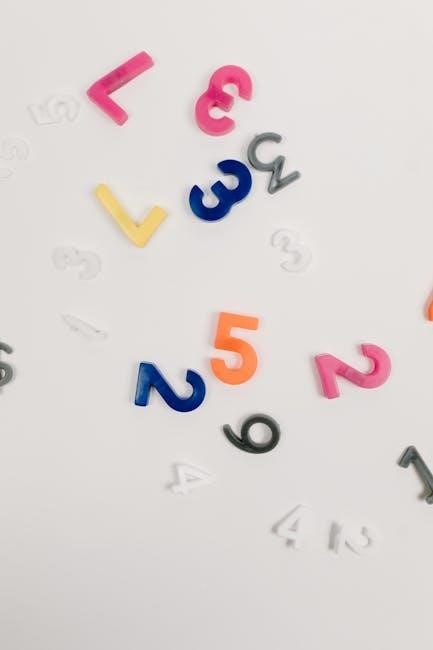
Free printable tracing number worksheets are incredibly versatile tools that can be seamlessly integrated into a variety of learning environments. They aren’t meant to be isolated activities, but rather components of a broader educational approach.
Consider short, focused tracing sessions as part of daily routines, perhaps as a warm-up activity before math lessons. Worksheets can also be used during quiet time or as a take-home assignment to reinforce concepts learned in class.
Gamification can enhance engagement; turn tracing into a race against the clock or a reward system. Remember to provide positive reinforcement and celebrate progress, fostering a love for learning.
These worksheets are a fantastic way to build a strong foundation in numeracy.
Worksheets as a Supplement to School Learning
Free printable tracing number worksheets serve as an excellent supplement to traditional classroom learning, reinforcing number recognition and formation skills. They provide students with extra practice outside of school hours, solidifying concepts taught by educators.
Teachers can assign these worksheets as homework, offering parents a simple way to support their child’s mathematical development at home. The worksheets cater to different skill levels, allowing for individualized learning experiences.
These resources can also be used for remediation, helping students who are struggling with specific number formations. They offer a low-pressure environment for practice, building confidence and fostering a positive attitude towards math.
Consistent practice with these worksheets will undoubtedly improve a child’s overall numeracy skills.
Using Worksheets for Home-Based Learning
Free printable tracing number worksheets are invaluable tools for parents and caregivers engaging in home-based learning. They offer a structured yet flexible approach to introducing and reinforcing early math skills, particularly number recognition and formation from 1 to 20.
These worksheets require minimal preparation, simply printing and providing a writing utensil – crayons or pencils work wonderfully. They transform learning into a fun activity, fostering a positive association with numbers.
Parents can easily tailor the practice sessions to their child’s pace and learning style. The availability of PDF, PNG, and JPG formats ensures compatibility with various devices and printers.

Consistent use of these worksheets builds a strong foundation for future mathematical success, all within the comfort of home.
Free Printable Resources Online
Numerous websites offer free printable tracing number worksheets, specifically designed for numbers 1-20, readily available in PDF format. InkPx is highlighted as a source providing worksheets downloadable in PDF, PNG, and JPG, with customization options for fonts, colors, and text.
A quick online search reveals a wealth of resources offering 0-30 number recognition, tracing, counting, and formation worksheets. These resources eliminate the need for expensive workbooks, providing accessible learning materials for all.
Many sites allow direct download and printing, streamlining the process for busy parents and educators. The variety of available worksheets caters to different skill levels, ensuring appropriate challenges for each child.
Exploring these online platforms unlocks a treasure trove of free educational content, supporting early math development.
Number Worksheet Stock Illustrations & Vector Graphics
Beyond printable worksheets, a vast collection of number worksheet stock illustrations and vector graphics are available online. These resources, found on platforms with royalty-free images, can enhance learning materials or be used for creating custom worksheets.
A search reveals over 37,500 options, including images specifically related to “numbers worksheet vector” and “kids learning”. These visuals can supplement tracing practice, offering engaging representations of numbers 1-20 and beyond.
The availability of vector graphics allows for scalability without loss of quality, making them ideal for various applications. These images can be incorporated into digital learning tools or printed for physical use.
Utilizing stock illustrations adds a creative element to number learning, making it more appealing and effective for young learners.
Resources for Numbers 1 to 10 Worksheets
Numerous online platforms specialize in providing free printable worksheets, with a strong focus on foundational number skills, including tracing numbers 1 to 10. These resources often serve as a starting point for early learners before progressing to numbers 11-20.
Many websites offer dedicated sets for tracing numbers using crayons or pencils, catering to different preferences and skill levels. These worksheets are designed to perfect number formation and build confidence in young children.
While the initial focus is often on 1-10, these resources frequently link to or offer complementary materials for numbers 11-20, creating a seamless learning progression.
Exploring these dedicated resources provides a solid base for number recognition and tracing skills, essential for future mathematical development.
Where to Download Free Printable Worksheets
A wealth of websites offer free printable tracing number worksheets in PDF, PNG, and JPG formats. InkPx is highlighted as a source for customizable worksheets, allowing font, color, and text adjustments.
General online searches for “free printable number worksheets” yield numerous results, including options covering numbers 0-30 for recognition, tracing, counting, and formation.
Several platforms provide downloadable PDFs directly, while others offer options to save or edit worksheets before printing. Free Printables, Lettering, and SVG Files sites are also valuable resources.
MegaWorkbook and similar sites specifically feature number tracing worksheets for numbers 1-10. Remember to check licensing terms before using any downloaded material.
The Value of Number Tracing
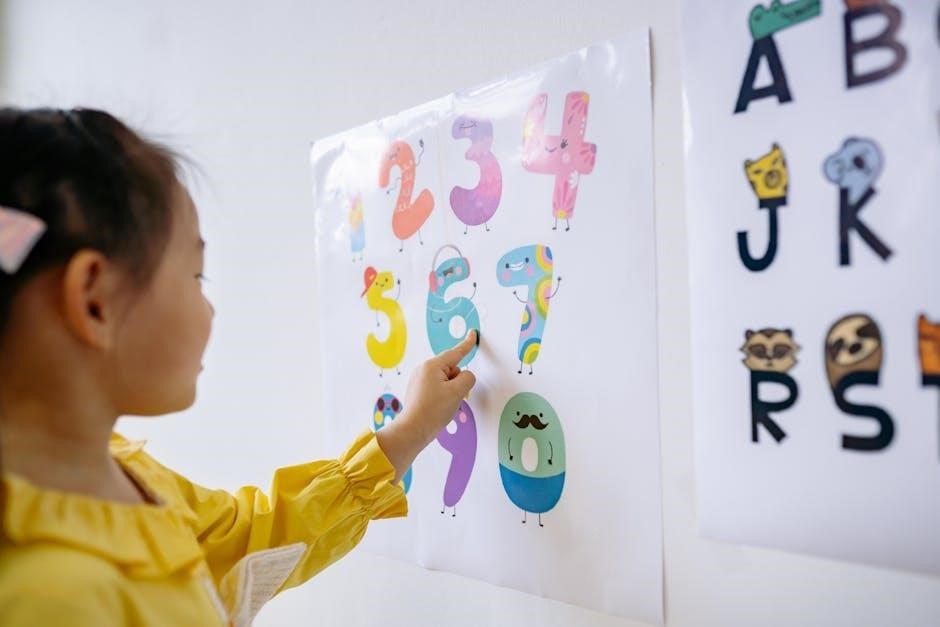
Tracing numbers, facilitated by readily available free printable worksheets, is a foundational skill for early childhood development. These resources, often in PDF format, provide a fun and engaging method for children to master number formation and recognition, specifically numbers 1-20 and beyond.
Worksheets serve as a valuable supplement to both school learning and home-based education, reinforcing concepts and building confidence; The ability to customize worksheets – adjusting fonts, colors, and content – enhances the learning experience.
Utilizing tracing exercises with crayons or pencils further develops fine motor skills and hand-eye coordination. Accessing these resources online, alongside stock illustrations, empowers educators and parents to create effective learning tools.
Ultimately, number tracing lays a crucial groundwork for future mathematical success.