Understanding “Lord of the Flies” PDF Availability (as of 03/27/2026)
As of today, March 27, 2026, finding a legitimate free PDF of “Lord of the Flies” proves challenging, though resources like the Internet Archive exist.
Reddit discussions suggest potential download sites, but caution regarding legality and malware is crucial. Availability fluctuates constantly, requiring diligent searching.
Current Landscape of Online Access
The digital availability of “Lord of the Flies” PDFs in 2026 is a complex issue. While the novel remains widely available in physical formats and through legitimate ebook retailers, obtaining a free PDF legally is difficult.
Numerous websites claim to offer free downloads, but these often host pirated copies or contain malicious software. The Internet Archive provides access, but availability can vary due to copyright restrictions and lending limitations. Reddit forums frequently discuss potential sources, yet users should exercise extreme caution.
The landscape is constantly shifting, with links appearing and disappearing, making a reliable, permanent free PDF source elusive.
Sources for Downloading “Lord of the Flies” PDF
Potential sources include the Internet Archive, Reddit discussions pointing to various websites, and academic resource repositories, though legality varies significantly.
Reddit Discussions on PDF Downloads
Reddit’s r/AskReddit features threads discussing where to download “Lord of the Flies” as a PDF. Users frequently share links, but these are often unreliable and potentially unsafe.
One user highlighted a site with numerous books and academic papers, cautioning against propaganda found in similar resources like “Lords of Chaos.” Another post, dated May 4, 2020, simply stated a PDF was downloadable, while a separate thread mentioned recently finishing the novel.
It’s vital to exercise extreme caution when following Reddit recommendations, verifying source legitimacy and employing robust antivirus software to mitigate risks associated with unofficial downloads.
Internet Archive as a Resource
The Internet Archive presents a viable, though not always straightforward, avenue for accessing “Lord of the Flies.” Searching the platform reveals multiple entries, including digitized versions of the novel and related study materials.
Entries from August 25, 2020, and December 10, 2025, showcase William Golding’s work, alongside examinations and study guides. The Archive’s advanced search functionality allows for refined queries, targeting specific editions or formats.
However, availability can vary, and users should explore advanced embedding details and help resources for optimal access; The Internet Archive offers a legal and generally safe alternative to questionable download sites.
Potential Risks Associated with Unofficial Downloads
Downloading “Lord of the Flies” from unofficial sources carries significant risks. These sites frequently harbor malware, viruses, and other malicious software that can compromise your device and personal data.
Furthermore, obtaining PDFs from unauthorized platforms constitutes copyright infringement, potentially leading to legal repercussions. Reddit discussions, while pointing to download options, implicitly acknowledge these dangers.
The promise of a “free” PDF often masks hidden costs, including security breaches and the support of illegal activities. Prioritizing legitimate sources, like the Internet Archive, minimizes these threats and respects intellectual property rights.

“Lord of the Flies” and Religious Connotations of “Lord”
The title’s “Lord” echoes biblical references to God – Adonai and Kyrios – signifying authority, yet ironically contrasts with the boys’ descent into savagery.
The Meaning of “LORD” in the Old Testament
Within the Old Testament, the capitalization of “LORD” isn’t arbitrary; it typically represents the sacred Tetragrammaton, YHWH, the unpronounceable name of God; Jewish tradition dictates reverence, substituting “Adonai” – meaning “My Lord” – when reading scripture aloud.
This substitution highlights God’s sovereignty and lordship. Psalm 8:1 exemplifies this, proclaiming, “O LORD, our Lord, how majestic is Your name in all the earth!” The distinction between “Lord” (Adonai) and “LORD” (YHWH) is consistently maintained across various English Bible translations, emphasizing the divine significance.
Understanding this context adds a layer of irony when considering the title “Lord of the Flies,” contrasting divine authority with the primal, chaotic forces unleashed on the island.
Adonai and YHWH – Divine Titles
Adonai, meaning “My Lord,” served as a substitute for the unpronounceable YHWH – the Tetragrammaton – in Jewish religious practice. This substitution arose from a deep reverence for God’s name, considered too holy to utter directly. YHWH represents God’s self-existence and covenant faithfulness, a foundational aspect of the Hebrew faith.
The consistent rendering of YHWH as “LORD” in English translations aims to preserve this distinction. While “Lord” (Adonai) denotes authority, “LORD” (YHWH) signifies a unique, personal relationship with the divine. This nuanced understanding enriches the symbolic weight of “Lord” within Golding’s title, hinting at a corrupted or distorted form of power.
“Lord” in the New Testament – Kyrios
Kyrios, the Greek term translated as “Lord” in the New Testament, carries significant theological weight. It’s applied both to God the Father and Jesus Christ, signifying authority, ownership, and inherent divinity. This dual application establishes Jesus’s divine status and his role as a sovereign ruler.
The use of “Kyrios” emphasizes a relationship of submission and worship. Considering this context, Golding’s choice of “Lord of the Flies” becomes particularly provocative. It suggests a perversion of true lordship, a descent into savagery where power is claimed, not earned, and worship is directed towards a demonic figure – Beelzebub.

Exploring the Novel “Lord of the Flies”
William Golding’s impactful novel, published in 1954, explores the dark side of human nature through stranded British schoolboys; The Internet Archive offers access.
William Golding (1911-1993), a British author, served in the Royal Navy during World War II, profoundly influencing his pessimistic worldview. This experience shaped his literary exploration of human savagery, prominently featured in “Lord of the Flies.”
Before achieving literary fame, Golding was a schoolteacher. He initially studied natural sciences at Oxford but switched to English literature. His firsthand observation of conflict and the inherent flaws within societal structures fueled his writing. The Internet Archive provides access to his works, including “Lord of the Flies,” allowing readers to delve into Golding’s complex themes and literary style. His novels often challenge conventional notions of morality and civilization.
Publication Date and Historical Context
“Lord of the Flies” was first published in 1954, amidst the post-World War II era and the escalating Cold War. This period was marked by anxieties surrounding nuclear conflict and a questioning of human nature following the atrocities of the war.
Golding’s novel directly responds to the perceived naiveté of R.M; Ballantyne’s “The Coral Island,” a romanticized adventure story. The 1950s also witnessed growing psychological studies on aggression and societal control. Accessing the novel via platforms like the Internet Archive allows modern readers to understand its historical resonance and enduring relevance, particularly when considering PDF versions for study.
Synopsis of the Plot
“Lord of the Flies” chronicles a group of British schoolboys stranded on a deserted island after a plane crash during a wartime evacuation. Initially, they attempt to govern themselves, electing Ralph as leader and establishing rules. However, their civilized efforts gradually unravel as primal instincts emerge.
Jack, a choirboy, challenges Ralph’s authority, appealing to the boys’ savage impulses. The narrative descends into chaos, marked by hunting, fear of a mythical “beast,” and ultimately, violence. Obtaining a PDF version facilitates close analysis of this descent, revealing Golding’s exploration of human nature and societal breakdown.

Analyzing the Themes in “Lord of the Flies”
The novel profoundly explores civilization versus savagery, the inherent evil within humanity, and the tragic loss of innocence through the boys’ descent.
A PDF allows focused study of these themes, revealing Golding’s commentary on power dynamics and the fragility of social order.
Civilization vs. Savagery
The central conflict in “Lord of the Flies” revolves around the struggle between human instinct and societal rules. Initially, the boys attempt to establish a civilized society, mirroring the adult world they’ve left behind, with rules and elected leadership.
However, as time progresses, primal urges and the allure of unchecked freedom begin to dominate, leading to a descent into savagery. A readily accessible PDF version facilitates close textual analysis of this dynamic, allowing readers to trace the gradual erosion of order. Examining passages detailing the hunt, the face paint, and the escalating violence reveals Golding’s stark portrayal of humanity’s capacity for brutality when removed from the constraints of civilization. The PDF format enables focused study of these pivotal moments.
Loss of Innocence
“Lord of the Flies” profoundly explores the theme of lost innocence, charting the boys’ rapid transformation from schoolboys to savage hunters. The initial optimism and belief in reason quickly crumble as fear, superstition, and the desire for power take hold.
A digital PDF copy of the novel allows for detailed examination of key scenes illustrating this decline – Simon’s encounter with the Lord of the Flies, Piggy’s tragic death, and the escalating violence. Accessing the text in PDF format facilitates close reading and annotation, highlighting the subtle shifts in character and the symbolic weight of events that contribute to the boys’ irreversible loss of childhood purity.
The Nature of Evil
Golding’s “Lord of the Flies” doesn’t portray evil as an external force, but as inherent within human nature itself. A readily available PDF version of the novel allows readers to dissect the boys’ descent into savagery, examining how primal instincts override civilized behavior.
The text, easily accessible in digital format, reveals how fear and the lust for power unlock a darkness within each boy. Studying the PDF facilitates tracing the symbolic representation of evil – the Lord of the Flies – and its influence on the characters, prompting reflection on the potential for brutality that exists within us all.
Power and Leadership
A downloadable PDF of “Lord of the Flies” provides a focused lens for analyzing the novel’s exploration of power dynamics and leadership styles. The text demonstrates the initial attempts at democratic governance under Ralph, contrasted sharply with Jack’s manipulative rise to power through appealing to base instincts.
Accessing the novel digitally allows for close examination of how fear and the desire for control corrupt leadership. The PDF format enables detailed study of the boys’ reactions to different forms of authority, highlighting Golding’s commentary on the fragility of civilization and the allure of autocratic rule.
“Lord of the Flies” – Study Resources & Examinations
A “Lord of the Flies” PDF facilitates study, alongside available guides and examination materials found on platforms like the Internet Archive, aiding comprehension.
Availability of Study Guides
Numerous study guides for “Lord of the Flies” are readily accessible, both in physical format and increasingly, as downloadable PDFs. The Internet Archive catalogs several resources, including critical analyses and student companion materials.
These guides often delve into the novel’s complex themes – civilization versus savagery, loss of innocence, and the inherent nature of evil – providing chapter summaries, character analyses, and insightful interpretations.
Furthermore, many online educational platforms offer supplementary materials, though verifying their accuracy and source is paramount. A PDF version allows for convenient annotation and portability during study sessions, enhancing the learning experience.
Exam Preparation Materials
Preparing for exams on “Lord of the Flies” benefits from dedicated resources, and PDF formats are frequently utilized for convenient access. The Internet Archive lists materials potentially useful for exam review, though content quality varies.
These resources commonly include practice questions, essay prompts focusing on key themes like power dynamics and societal breakdown, and character-focused analyses. Students can find materials covering plot summaries, symbolism, and Golding’s writing style.
However, relying solely on unofficial PDFs is risky; supplementing with teacher-provided materials and official study guides is crucial for comprehensive exam preparation.

Different Editions and Formats of “Lord of the Flies”
Numerous editions exist, including original publications and variations in cover art. The Internet Archive offers access to diverse formats, including potentially PDF versions of the novel.
Original Publication Details
William Golding’s Lord of the Flies was first published in the United Kingdom by Faber and Faber in September 1954. Initially, it faced rejection from publishers, highlighting the novel’s challenging themes. The American publication followed in 1955 by Coward-McCann.
Early editions featured distinctive cover art, often reflecting the novel’s symbolic elements. The Internet Archive catalogs various editions, showcasing these differences. Finding a first edition PDF is exceptionally rare and likely protected by copyright. Later reprints became more common, increasing accessibility, though legitimate PDF availability remains limited. Understanding these publication details aids in identifying authentic copies and appreciating the novel’s history.
Variations in Text and Cover Art
Throughout the decades, editions of Lord of the Flies exhibit notable variations in cover art, reflecting evolving interpretations of the novel’s themes. Early covers often depicted stark imagery, while later editions embraced more abstract or symbolic designs. The text itself has undergone minor revisions over time, primarily concerning punctuation and phrasing, though the core narrative remains consistent.
Searching for PDF versions reveals these discrepancies. The Internet Archive showcases diverse covers from different printings. Illegitimate PDFs may contain errors or altered text. Comparing editions is crucial for scholarly study, and recognizing these variations helps ensure access to an accurate and authorized version of Golding’s work.
Accessibility of Different Formats (including PDF)
“Lord of the Flies” enjoys broad accessibility across numerous formats. Physical copies – hardcover, paperback, and large print – remain readily available. Digital editions include Kindle, ePub, and, crucially, PDF. However, obtaining a legal PDF proves more complex. The Internet Archive offers borrowing options for some editions, but availability fluctuates.
Unofficial PDF downloads pose risks, potentially containing malware or copyright violations. Accessibility for visually impaired readers is enhanced by audiobook versions and screen-reader compatible digital formats. The ease of accessing different formats impacts study and research, with PDFs offering portability but requiring careful sourcing.
Legal Considerations Regarding PDF Downloads
Downloading PDFs without authorization infringes copyright laws. Fair use exceptions are limited; illegal downloads carry risks, including legal penalties and malware exposure.
Copyright Laws and Fair Use
Copyright protection extends to “Lord of the Flies,” preventing unauthorized distribution of the PDF. Generally, downloading a copyrighted work without permission is illegal, potentially leading to fines or legal action.
Fair use allows limited use of copyrighted material for purposes like criticism, commentary, or education, but simply downloading the entire book doesn’t qualify.
Educational exceptions might apply if used within a classroom setting with proper licensing, but individual downloads for personal use typically violate copyright.
Respecting intellectual property is crucial; consider purchasing a legitimate copy or borrowing it from a library to avoid legal repercussions.
Risks of Downloading Illegally
Downloading “Lord of the Flies” from unofficial sources carries significant risks. These PDFs often harbor malware, viruses, and spyware, compromising your device and personal data.
Websites offering free PDFs frequently engage in deceptive practices, like phishing for sensitive information or redirecting users to harmful content.
Legal consequences, though less common for individual downloads, are possible, including fines and copyright infringement notices;
Supporting authors and publishers is vital; illegal downloads undermine their livelihood and discourage future literary works. Prioritize legitimate sources for a safe and ethical reading experience;

Related Works and Authors
Exploring similar themes, “Lords of Chaos” offers a stark contrast, while other novels delve into societal breakdown and human nature, mirroring Golding’s exploration.
“Lords of Chaos” – A Contrasting Work
While “Lord of the Flies” examines the descent into savagery amongst boys, “Lords of Chaos” by Michael Moynihan and Didrik Søderlind presents a drastically different, yet equally disturbing, exploration of societal breakdown.
This non-fiction work details the early Norwegian black metal scene, focusing on its descent into arson, violence, and anti-Christian extremism. Reddit discussions briefly mentioned “Lords of Chaos” when discussing darker themes.
Unlike Golding’s allegorical tale, “Lords of Chaos” is rooted in documented events, offering a chillingly real portrayal of ideological corruption and its consequences. It’s a study of a subculture, not a microcosm of humanity, providing a contrasting perspective on the potential for darkness within groups.
Other Novels Exploring Similar Themes
Beyond “Lord of the Flies,” several novels delve into comparable themes of societal collapse, the loss of innocence, and the inherent darkness of human nature. “The Beach” by Alex Garland, for instance, examines how a utopian ideal quickly devolves into primal conflict and exploitation.
Similarly, Cormac McCarthy’s “The Road” portrays a post-apocalyptic world stripped of civilization, forcing a father and son to confront brutal survival.
These works, like Golding’s classic, question the fragility of social order and the potential for savagery lurking beneath the surface. They offer compelling, albeit often bleak, explorations of the human condition, resonating with the core anxieties presented in “Lord of the Flies.”

The Significance of the Title “Lord of the Flies”
The title alludes to Beelzebub, a biblical name for a powerful demon, and the pig’s head symbolizes primal savagery and the boys’ descent into chaos.
Beelzebub and its Symbolic Meaning
Beelzebub, often translated as “Lord of the Flies,” originates from a Philistine deity, Baal-zebub, worshipped in Ekron. In the Old Testament, this name became associated with demonic forces and a prince of devils, representing corruption and evil.
Golding’s choice of this title isn’t accidental; it foreshadows the novel’s central theme – the inherent darkness within human nature. The pig’s head, impaled on a stick as an offering to “the beast,” physically embodies this “Lord of the Flies,” becoming a potent symbol of savagery and the boys’ gradual surrender to their primal instincts.
It represents the burgeoning evil that takes root on the island, a manifestation of the boys’ own internal flaws and the breakdown of civilized order.
The Pig’s Head as a Symbol
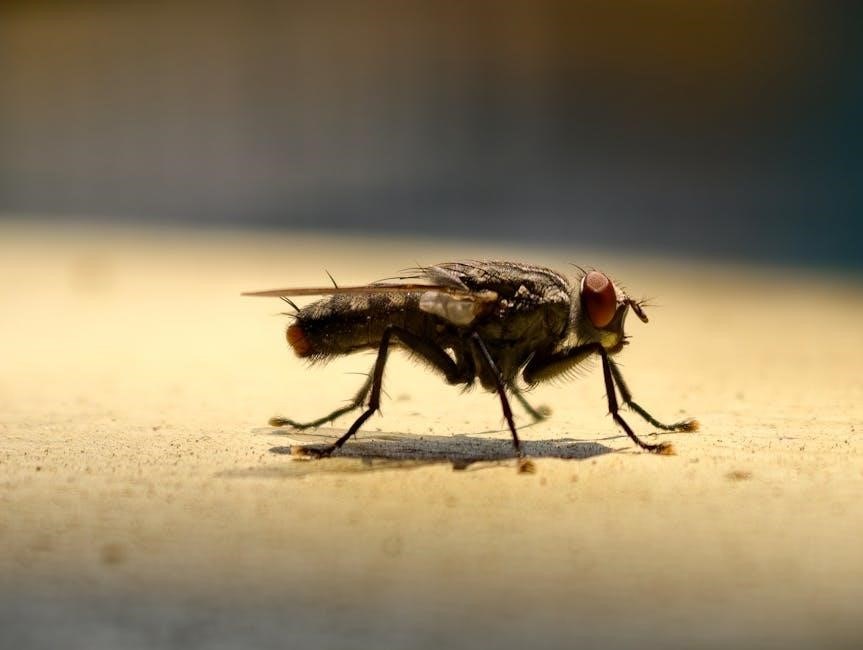
The pig’s head, impaled on a stick and swarming with flies, serves as a chilling physical manifestation of the “Lord of the Flies” and the inherent evil within the boys. Initially a hunting trophy, it quickly transforms into a disturbing idol, representing the primal urges unleashed on the island.
Simon’s hallucinatory conversation with the head reveals its symbolic weight – it embodies the beast not as an external creature, but as a component of human nature itself. The decaying head signifies the corruption of innocence and the descent into savagery, foreshadowing the tragic events that unfold.
It’s a stark reminder of the boys’ vulnerability to their darker impulses.
Advanced Search Techniques for Finding the PDF
Utilize Internet Archive’s advanced search, employing specific terms like “Lord of the Flies PDF,” “William Golding PDF,” and “Golding, William, 1911-1993 PDF.”
Utilizing Internet Archive Advanced Search
The Internet Archive offers powerful tools for pinpointing specific files; Begin by navigating to archive.org and selecting the “Advanced Search” option. Within the search field, input precise queries like “Lord of the Flies PDF” or “William Golding Lord of the Flies.”
Refine your search by specifying the file type as “PDF” under the “Format” section. Explore the “Collection” filter, potentially focusing on “texts” or “books.” Leverage the “Language” filter to ensure results are in English.
Furthermore, utilize the “Creator” field, entering “William Golding.” The “Date” filter can also be helpful, though “Lord of the Flies” has been archived for many years. Remember to examine embedding details for further assistance.
Specific Search Terms to Employ
Effective searching requires varied keywords. Beyond “Lord of the Flies PDF,” try “William Golding Lord of the Flies download,” or “Lord of the Flies free ebook.” Include terms like “online PDF,” “digital copy,” and “full text.”
Experiment with variations: “Lord of Flies,” acknowledging common misspellings. Combine author and title: “Golding Lord of the Flies PDF.” Utilize specific edition details if known.
For Internet Archive, add “inlibrary” to your search string. Consider searching for related terms like “school edition” or “study guide PDF” if a full novel copy proves elusive. Remember to check Reddit discussions for recently shared links.
Embedding Details and Help Resources
The Internet Archive offers advanced embedding options for PDFs, alongside detailed documentation and support. Explore these features for seamless integration and assistance.
Understanding Advanced Embedding Options
The Internet Archive’s advanced embedding features provide granular control over how “Lord of the Flies” PDFs are displayed and interacted with on external websites. These options extend beyond simple linking, allowing customization of the viewer interface.
Users can adjust parameters like initial zoom level, display of download buttons, and whether page turning animations are enabled. Furthermore, the Archive supports embedding with specific start pages and allows for the disabling of full-screen mode.
These settings enhance user experience and ensure the PDF integrates seamlessly with the host website’s design. Detailed examples and comprehensive documentation are readily available on the Internet Archive’s help pages, guiding users through the process.
Accessing Support and Documentation
For users encountering difficulties locating or embedding “Lord of the Flies” PDFs, the Internet Archive offers extensive support resources. A comprehensive help center provides answers to frequently asked questions, covering topics from searching to advanced embedding techniques.
The Archive’s documentation details each feature, including troubleshooting guides for common issues. Community forums allow users to connect, share solutions, and seek assistance from experienced members.
Additionally, direct contact options, such as email support, are available for more complex problems. These resources ensure users can effectively navigate the platform and access the desired PDF content.