Electoral Dysfunction, guided by Mo Rocca, explores the intricacies of US voting, revealing how elections function – and often don’t – within a democratic framework.
The documentary and its associated viewing guide are vital for grasping the challenges facing electoral systems and promoting informed civic engagement.
Overview of the Documentary
Electoral Dysfunction, hosted by Mo Rocca, employs a humorous yet insightful approach to dissect the American voting process. The documentary begins with a startling revelation: the U.S. Constitution doesn’t explicitly guarantee the right to vote, setting the stage for a comprehensive exploration of voting rights.
It delves into contentious issues like voter fraud and voter ID laws, scrutinizes the complexities of the Electoral College, and critiques ballot designs for clarity and accessibility. Through expert interviews and a compelling grade school simulation, the film illuminates the real-world implications of electoral shortcomings.
Importance of Understanding Electoral Systems
A robust understanding of electoral systems is paramount to a functioning democracy. As the cornerstone of political participation, these systems directly impact political stability and citizen engagement. Examining the intricacies, as presented in Electoral Dysfunction and its viewing guide, fosters informed citizenry.
Critical analysis of voting processes allows individuals to identify potential flaws, advocate for necessary reforms, and actively participate in shaping a more equitable and representative government. Ignoring these systems risks eroding democratic principles.
The U.S. Constitution and the Right to Vote
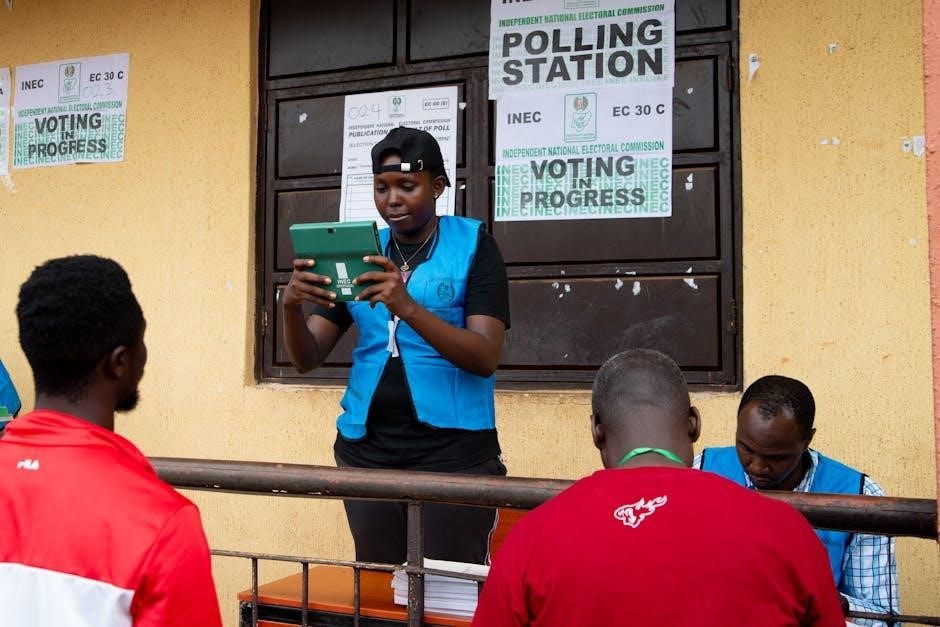
Electoral Dysfunction highlights a surprising truth: the U.S. Constitution does not explicitly guarantee the right to vote, sparking a historical battle for suffrage.
The Lack of a Guaranteed Right to Vote
Electoral Dysfunction immediately establishes a foundational issue: the U.S. Constitution’s silence on a guaranteed right to vote. This absence has historically allowed states significant control over who can participate in elections.
The documentary emphasizes that voting rights weren’t initially universal, but rather evolved through amendments and legal battles. This historical context is crucial for understanding contemporary debates surrounding voter access and qualifications, as the Constitution itself doesn’t explicitly protect this fundamental democratic practice.
Historical Context of Voting Rights
Electoral Dysfunction highlights that the right to vote hasn’t always been broadly inclusive in the United States. Initially, voting was largely restricted to white, male property owners, excluding significant portions of the population.
Subsequent amendments, like the 15th, 19th, and 26th, expanded suffrage to African American men, women, and those aged 18 and older, respectively. However, the documentary implies these expansions faced – and continue to face – resistance, demonstrating a complex and contested history of voting rights in America.
Exploring Voter Fraud and Voter ID Laws
Electoral Dysfunction examines the debate surrounding voter fraud claims and the implementation of voter ID laws, revealing the controversies and potential impacts on voter access.
Arguments For and Against Voter ID Laws
Proponents of Voter ID laws argue they are essential for preventing voter fraud and maintaining the integrity of elections, bolstering public confidence in the democratic process. They believe requiring identification ensures only eligible citizens cast ballots.
Conversely, opponents contend these laws disproportionately disenfranchise marginalized groups – particularly people of color, the elderly, and low-income individuals – who may lack readily available photo identification. They assert voter fraud is rare, and ID laws create unnecessary barriers to participation.
The documentary likely explores these contrasting viewpoints, highlighting the complex interplay between security concerns and equitable access to the ballot box.
The Impact of Voter Fraud Claims
Claims of widespread voter fraud, despite limited evidence, significantly erode public trust in elections and democratic institutions. These assertions, often amplified through media and political rhetoric, can lead to decreased voter turnout and increased polarization.
The documentary likely examines how unsubstantiated allegations fuel distrust, potentially justifying restrictive voting measures under the guise of election security. This creates a cycle of suspicion and disenfranchisement.
Understanding the consequences of these claims is crucial for safeguarding the integrity of the electoral process and promoting informed civic engagement.
Understanding the Electoral College
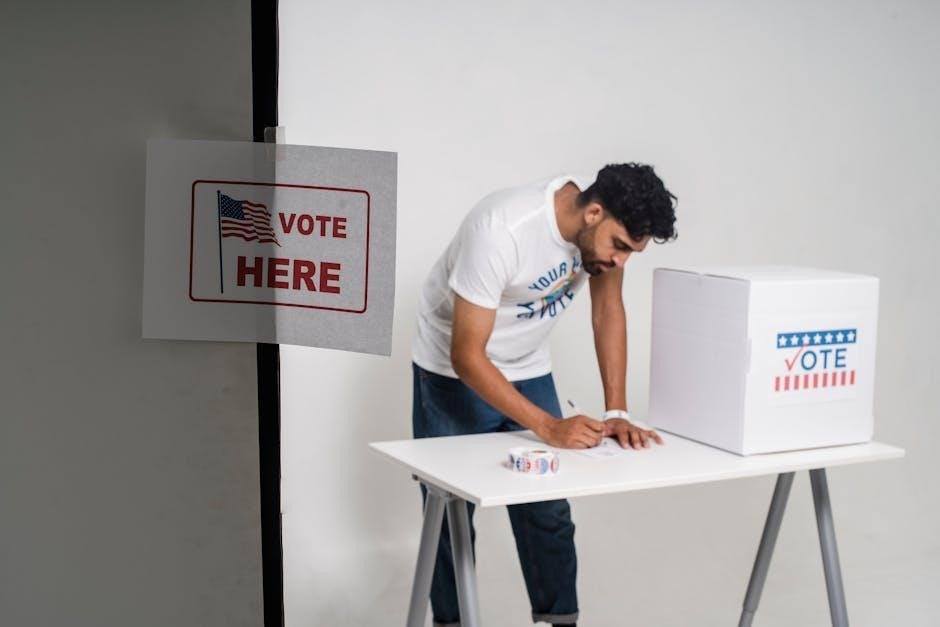
The documentary investigates the origins and mechanics of the Electoral College, a system added to the Constitution, and its ongoing criticisms regarding fairness.
It explores why this system was initially implemented and how it functions in modern presidential elections, prompting critical analysis.
The Origins of the Electoral College
The Electoral College arose from compromises during the Constitutional Convention, addressing fears of both pure democracy and unchecked power in the hands of the populace.
Founding Fathers debated direct popular vote versus congressional election of the president, ultimately settling on a system where electors, chosen by states, would select the executive.
This hybrid approach aimed to balance the influence of populous states with that of smaller ones, and to provide a buffer between the public and the presidency.
Slavery also played a role, as Southern states sought to amplify their representation due to their enslaved populations, who were not granted voting rights.
How the Electoral College Works
Each state receives a number of electors equal to its total number of representatives in Congress (House + Senate). Currently, there are 538 electors nationwide.
In almost all states, the candidate who wins the popular vote receives all of that state’s electoral votes – a “winner-take-all” system.
A presidential candidate needs at least 270 electoral votes to win the election. The votes are officially tallied by Congress in January.
It’s possible for a candidate to win the presidency without winning the national popular vote, as has happened in several US elections.
Criticisms of the Electoral College System
A primary criticism is that the Electoral College can lead to a president being elected without winning the national popular vote, undermining the principle of “one person, one vote.”
The “winner-take-all” system in most states gives disproportionate power to swing states, while voters in safe states feel their votes matter less.
Some argue it’s an outdated system created in a different era, failing to adequately represent the modern American electorate and its diverse interests.
Calls for reform often center on a national popular vote or proportional allocation of electors, aiming for a more democratic outcome.

Ballot Design and Accessibility
The documentary critiques ballot designs, highlighting how unclear layouts and confusing instructions can disenfranchise voters, especially those with disabilities or language barriers.
The Importance of Clear Ballot Design
Electoral Dysfunction emphasizes that a well-designed ballot is fundamental to ensuring accurate vote casting and minimizing voter error. Confusing layouts, small font sizes, and ambiguous wording can inadvertently lead to invalid ballots or unintentional choices.
The documentary illustrates how seemingly minor design flaws can disproportionately affect vulnerable populations, including elderly voters, individuals with visual impairments, and those less familiar with the electoral process. Clear, concise, and user-friendly ballot design is therefore crucial for upholding the principles of accessible and equitable democracy.
Challenges Faced by Voters with Disabilities
Electoral Dysfunction highlights significant barriers faced by voters with disabilities, revealing systemic issues that hinder their full participation in the democratic process. These challenges range from inaccessible polling locations lacking ramps or accessible voting machines, to a lack of available assistance and appropriate accommodations.
The documentary underscores the importance of ensuring equal access for all citizens, advocating for improved accessibility standards and increased awareness among election officials regarding the needs of voters with diverse abilities.
Safe States vs. Swing States
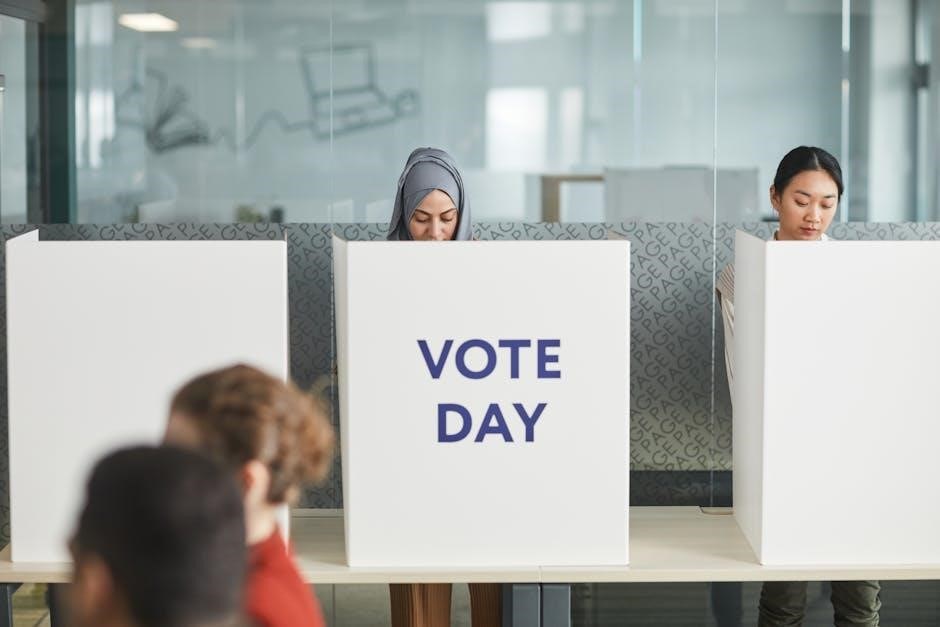
Electoral Dysfunction examines how categorizing states as “safe” or “swing” negatively impacts campaign focus and resource allocation, diminishing voter engagement elsewhere.
Defining Safe and Swing States
Electoral Dysfunction clarifies that “safe states” are those where a particular party consistently wins, leading to minimal campaign investment. Conversely, “swing states” – also known as battleground states – are highly contested, attracting significant attention and resources from both parties.
This categorization isn’t fixed; states can shift over time based on demographic changes and political trends. The documentary highlights how this division shapes campaign strategies, often neglecting voters in predictably leaning states, and concentrating efforts where outcomes are uncertain.
Negative Effects of the Dichotomy
Electoral Dysfunction reveals that focusing on swing states creates a system where voters in “safe” states feel ignored, potentially decreasing political participation and fostering disillusionment. This concentrated campaigning can lead to policy platforms tailored to a narrow segment of the population.
Furthermore, the dichotomy reinforces a two-party system, marginalizing third-party candidates and limiting voter choice. It also encourages negative campaigning, as candidates prioritize persuading undecided voters in battleground states rather than engaging in substantive policy debates.
Impact on Campaign Strategies
As highlighted in Electoral Dysfunction, the “safe” versus “swing” state division dramatically shapes campaign resource allocation. Campaigns concentrate time, money, and personnel in a handful of competitive states, neglecting vast portions of the country.
This targeted approach leads to tailored messaging for swing state voters, often ignoring the concerns of those in reliably red or blue areas. Consequently, campaign strategies prioritize persuasion over broad-based mobilization, potentially exacerbating political polarization and diminishing national unity.
The Grade School Simulation
During the simulation, the “rabble-rouser” voiced concerns about unequal representation and the potential for votes to be effectively silenced by the system’s design.
Key Issues Raised by the Rabble-Rouser
The grade school simulation’s “rabble-rouser” passionately highlighted critical flaws within the simplified electoral system. Their primary complaint centered on the perceived unfairness of representation, arguing that certain students’ votes held disproportionately less weight than others.
This stemmed from the distribution of “population” amongst the states, mirroring real-world disparities. The student eloquently voiced concerns that the system inherently disadvantaged smaller states, effectively silencing the voices of their constituents and undermining the principle of equal representation, a core tenet of democracy.
Lessons Learned from the Simulation
The grade school simulation powerfully demonstrated how easily a seemingly fair system can produce inequitable outcomes. It vividly illustrated the complexities of translating popular vote into representation, mirroring the challenges inherent in the Electoral College.
Students grasped that a candidate could win the popular vote but lose the election, sparking debate about the democratic legitimacy of such a result. The exercise underscored the importance of understanding electoral mechanics and the potential for systemic biases to influence election results.
Experts and Perspectives Featured in the Documentary
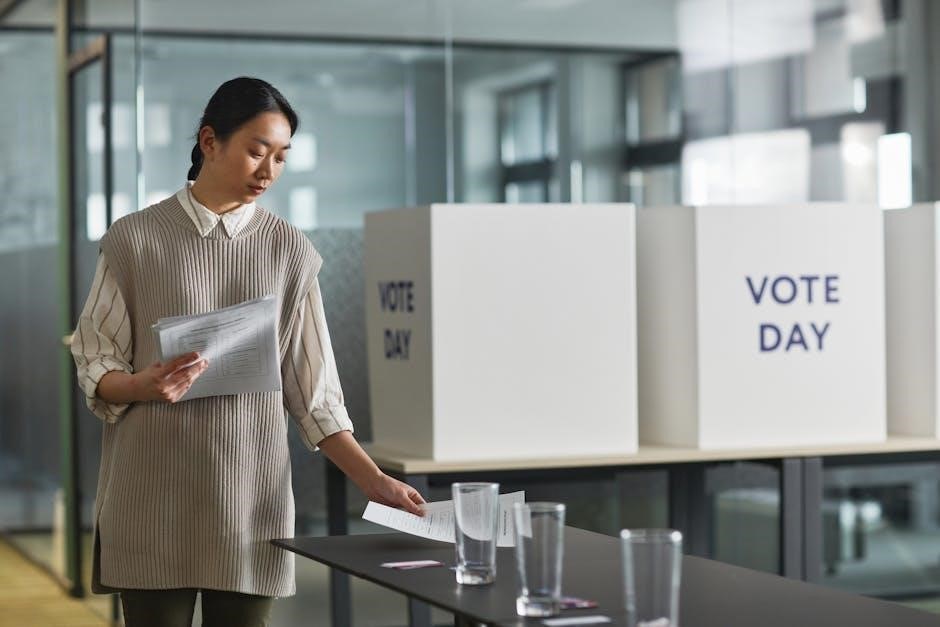
Electoral Dysfunction presents diverse viewpoints from scholars and practitioners, analyzing electoral issues and offering critical insights into the American voting system.
Analysis of Expert Opinions
Electoral Dysfunction skillfully incorporates commentary from a range of experts, providing nuanced perspectives on complex electoral challenges. These analyses delve into the historical context of voting rights, the controversies surrounding voter ID laws, and the mechanics of the Electoral College.
The documentary doesn’t shy away from presenting conflicting viewpoints, allowing viewers to critically assess the arguments for and against various electoral reforms. This approach, coupled with the viewing guide, encourages a deeper understanding of the multifaceted issues at play in American democracy.
Diverse Viewpoints on Electoral Issues
Electoral Dysfunction excels at showcasing a spectrum of opinions regarding the US electoral process. The documentary presents perspectives from historians, political scientists, and legal scholars, each offering unique insights into the system’s strengths and weaknesses.
The viewing guide complements this by prompting viewers to consider multiple angles on contentious topics like voter fraud and the fairness of the Electoral College. This deliberate inclusion of diverse voices fosters critical thinking and a more comprehensive understanding of the challenges facing American democracy.
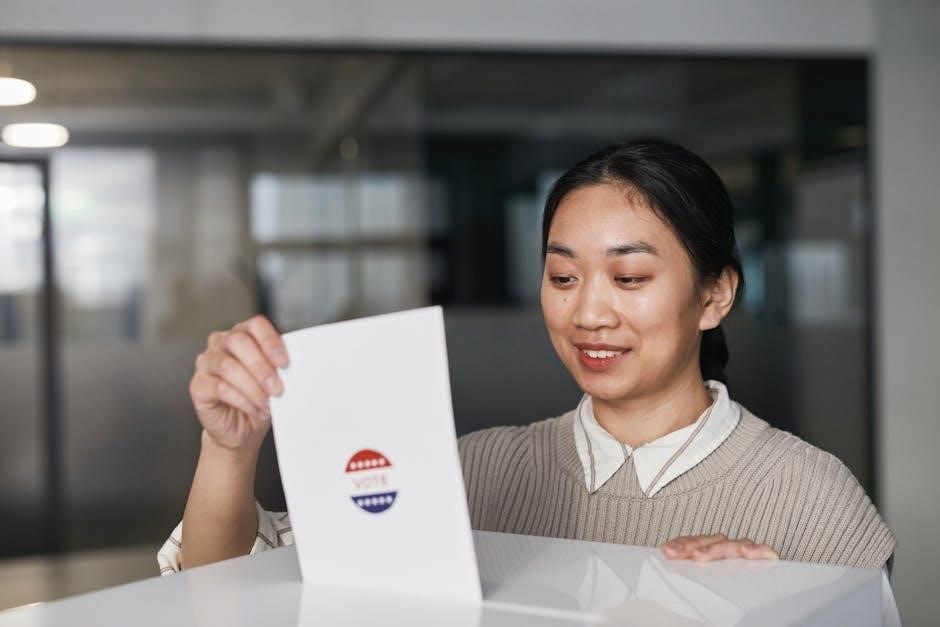
Real-World Implications of Electoral Dysfunction
Electoral Dysfunction highlights how systemic issues impact political participation and potentially undermine democratic principles, as explored through the documentary and viewing guide.
Impact on Political Participation
Electoral Dysfunction demonstrates how perceived or actual barriers to voting – stemming from issues like voter ID laws, Electoral College complexities, and ballot accessibility – can significantly diminish citizen engagement.
The documentary, alongside its viewing guide, encourages critical examination of these factors and their influence on who participates in elections. This ultimately affects representation and the overall health of democratic processes, potentially leading to lower turnout and skewed political outcomes.
Consequences for Democracy
Electoral Dysfunction highlights that systemic flaws within the US voting system, explored through the documentary and viewing guide, pose substantial risks to the foundations of democracy.
These issues – including the lack of a constitutionally guaranteed right to vote and the potential for manipulation through gerrymandering – can erode public trust, undermine the legitimacy of election results, and ultimately weaken the principles of self-governance. A functioning democracy relies on fair and accessible elections for all citizens.
Classroom Edition and Educational Use
The 36-minute Electoral Dysfunction: Classroom Edition, led by Mo Rocca, offers a focused exploration of US voting issues, enhanced by the viewing guide.
Features of the 36-Minute Classroom Edition
Electoral Dysfunction’s Classroom Edition is a condensed, 36-minute version specifically designed for educational settings, skillfully edited from the original documentary. This focused length allows for comprehensive coverage of key topics within a typical class period.
The edition, hosted by Mo Rocca, maintains the documentary’s engaging approach while streamlining content to highlight critical aspects of the US voting system. Utilizing the accompanying viewing guide, educators can facilitate discussions on the Constitution, voter access, and the Electoral College.
It’s a valuable tool for fostering civic literacy and critical thinking among students, prompting analysis of electoral processes and their real-world implications.
Utilizing the Documentary for Educational Purposes
Electoral Dysfunction serves as an exceptional resource for educators aiming to enhance civic education and promote informed discussions about democracy. The documentary, paired with its detailed viewing guide, encourages critical analysis of the US electoral system.
Teachers can leverage the film to explore constitutional principles, the history of voting rights, and contemporary challenges like voter ID laws and the Electoral College.
The simulation segment sparks debate, while expert perspectives offer diverse viewpoints, fostering a nuanced understanding of electoral complexities and encouraging student engagement.
Analyzing the Viewing Guide
The viewing guide fosters critical thinking about the electoral process, prompting viewers to consider multiple perspectives on complex issues presented in the documentary.
Critical Thinking Exercises
Electoral Dysfunction’s viewing guide includes exercises designed to challenge assumptions and encourage deeper analysis of the US electoral system. These prompts move beyond simple recall, asking viewers to evaluate arguments for and against voter ID laws, and dissect the historical context of voting rights.
Furthermore, the guide compels consideration of the Electoral College’s fairness and the impact of gerrymandering, fostering a nuanced understanding of electoral complexities and promoting informed debate.
Encouraging Multiple Perspectives
The Electoral Dysfunction viewing guide intentionally presents diverse viewpoints on contentious electoral issues, moving beyond partisan narratives. It highlights expert opinions and encourages viewers to consider the rationale behind differing stances on topics like voter fraud and the Electoral College.
By prompting analysis of varied perspectives, the guide fosters critical thinking and a more comprehensive understanding of the challenges facing American democracy, avoiding simplistic conclusions.
Number of Electoral Districts in the United States
The documentary’s viewing guide asks how many electoral districts exist within the US, a key question for understanding representation and the Electoral College.
Current Number of Districts
Electoral Dysfunction prompts viewers to consider the fundamental structure of US representation. Currently, the United States is divided into 435 congressional districts, each representing a specific geographic area and population base.
These districts are the foundation for electing members to the House of Representatives, a crucial component of the legislative branch. The number 435 has been fixed by law since 1929, though redistricting following each decennial census can alter district boundaries.
Understanding this number is essential for grasping how votes translate into political power.
How Districts are Determined
Following each decennial census, states are responsible for redrawing their congressional districts to reflect population changes. This process, known as redistricting, aims to ensure equal representation based on the “one person, one vote” principle.
However, redistricting is often a politically charged process, frequently leading to accusations of gerrymandering – manipulating district boundaries to favor a particular party. State legislatures, or independent commissions in some states, typically handle this complex task.
The resulting district maps significantly impact electoral outcomes.

The Role of Gerrymandering
Gerrymandering involves manipulating electoral district boundaries to favor a specific political party, impacting electoral fairness and potentially undermining democratic representation.
Defining Gerrymandering
Gerrymandering is the practice of drawing electoral district boundaries to gain a partisan advantage. This manipulation often results in oddly shaped districts, prioritizing political gain over community representation. Historically, the term originated from an 1812 Massachusetts district resembling a salamander, coined by Gilbert du Motier, Marquis de Lafayette.
Essentially, it’s about strategically shaping districts to concentrate opposing voters into fewer areas or dilute their influence across many, impacting the overall electoral landscape and potentially distorting democratic outcomes.
Impact on Electoral Fairness
Gerrymandering significantly undermines electoral fairness by creating districts that are uncompetitive, effectively predetermining election outcomes. This diminishes voter choice and reduces accountability of elected officials, as they cater to a safely aligned base rather than the broader electorate.
Consequently, it can lead to a disconnect between the popular vote and the distribution of seats, distorting the will of the people and fostering political polarization, ultimately eroding trust in the democratic process.

Addressing Electoral Dysfunction
Potential reforms, like independent redistricting commissions and modernized voting systems, aim to enhance fairness and accessibility, securing the future of voting in America.
Potential Reforms and Solutions
Addressing electoral dysfunction requires multifaceted solutions. Implementing independent redistricting commissions could mitigate gerrymandering’s impact, fostering fairer representation. Modernizing voting systems – including secure online registration and accessible ballot designs – enhances participation.
Furthermore, exploring ranked-choice voting and automatic voter registration could broaden inclusivity. Strengthening campaign finance regulations and increasing transparency are also crucial. Ultimately, a commitment to civic education and robust oversight is essential for safeguarding democratic processes and ensuring every voice is heard.
The Future of Voting in America
The future of voting hinges on addressing systemic issues highlighted by Electoral Dysfunction. Increased accessibility, through modernized systems and expanded early voting, is paramount. Combating misinformation and fostering media literacy are vital for informed participation.
Continued debate surrounding the Electoral College and potential constitutional amendments remains crucial. Ultimately, a renewed commitment to civic engagement and protecting voting rights will determine whether America’s democratic ideals endure and evolve for future generations.