Dog Clothes Size Guide: A Comprehensive Overview (Updated 02/19/2026)
Today’s date is 02/19/2026. Navigating dog apparel sizing presents unique hurdles, as brands like Ruffwear demonstrate inconsistent fits; Hurtta and Chilli Dogs offer superior, albeit pricier, alternatives.
Understanding the Challenges of Dog Clothing Sizing
Dog clothing sizing isn’t a one-size-fits-all scenario, presenting significant challenges for owners. Unlike human clothing, dogs come in a vast array of breeds and body types, each with unique proportions. Standard size charts – small, medium, large – often prove inadequate, leading to ill-fitting garments. A dog comfortably wearing a ‘small’ harness might require a ‘medium’ or even a ‘large’ in a coat, as evidenced by experiences with Ruffwear products.
Brand inconsistencies further complicate matters. What constitutes a ‘medium’ in one brand can drastically differ in another. This necessitates careful review of each brand’s specific size chart and, ideally, multiple measurements of your dog. The potential for discrepancies is heightened for dogs falling between sizes, requiring a judgment call between sizing up for movement or sizing down to avoid looseness.
Furthermore, the quality of construction and material flexibility can influence the overall fit. Owners often find themselves exchanging items multiple times to achieve a comfortable and functional fit, highlighting the need for detailed sizing information and community-sourced advice.
Breed-Specific Size Variations
Dog breeds exhibit remarkable diversity in body structure, profoundly impacting clothing size requirements. A streamlined Greyhound will necessitate drastically different measurements compared to a stocky Bulldog, despite potentially similar weights. Working Cocker Spaniels, as an example, demonstrate how even within a single breed, individual dogs can vary significantly, falling between standard sizes.
Deep-chested breeds, like German Shepherds, require garments accommodating their broader chest girth, often needing adjustments or specialized designs. Conversely, short-legged breeds, such as Dachshunds, demand attention to length to prevent constriction or chafing. Muscular builds, common in breeds like Boxers, necessitate clothing allowing a full range of motion.
Breed-specific coat types also play a role. Dogs with thick undercoats may require larger sizes to comfortably accommodate the extra bulk. Recognizing these variations is crucial for avoiding ill-fitting clothes and ensuring your dog’s comfort and safety.
The Importance of Accurate Measurements
Relying solely on weight for dog clothing sizing is often misleading; body shape and build are far more critical determinants of fit. Accurate measurements – back length, chest girth, and neck circumference – are paramount to avoiding ill-fitting garments that can restrict movement or cause discomfort. A dog between sizes presents a particular challenge, demanding careful consideration.
Sizing up might lead to bulky, loose clothing reducing protective qualities, while sizing down can result in tightness and restricted breathing. Utilizing a flexible measuring tape is essential, ensuring it’s snug but not constricting. Seeking advice from online dog communities, sharing photos with labeled measurements, can provide valuable insights.
Remember, consistency in measurement technique is key. A slight variation can significantly alter the recommended size. Prioritizing accurate measurements ensures a comfortable and secure fit for your canine companion.
Key Measurements for Dog Clothing
Essential measurements include back length, chest girth (the most crucial), and neck circumference, providing a foundation for selecting appropriately sized dog apparel for optimal comfort.
Back Length: How to Measure
Accurately measuring your dog’s back length is fundamental for ensuring a proper fit, particularly for coats and jackets. Begin by having your dog stand squarely on all four legs in a natural, comfortable position. Use a flexible measuring tape – a fabric one is ideal – and measure from the base of the neck, right where the collar sits, to the base of the tail.
Ensure the tape measure follows the curve of your dog’s back, avoiding any dips or angles. It’s helpful to have an assistant to keep your dog still during this process. Avoid pulling the tape too tightly, as this will result in an inaccurate measurement. Round up to the nearest inch if your measurement falls between sizes; Remember, back length is a primary determinant of whether a garment will adequately cover your dog’s body and allow for comfortable movement. Incorrect back length measurements often lead to ill-fitting clothes that restrict activity or provide insufficient warmth.
Chest Girth: The Most Important Measurement
Chest girth is arguably the most critical measurement when selecting dog clothing, influencing fit across various garment types – sweaters, coats, and even some harnesses. To measure, position your dog standing squarely. Wrap the measuring tape around the widest part of their chest, typically just behind the front legs.
Ensure the tape is snug but not constricting; you should be able to comfortably slide two fingers underneath. Avoid measuring over the shoulder blades. A too-small chest girth will restrict movement and cause discomfort, while a too-large girth can lead to the garment slipping off. For deep-chested breeds, take extra care to measure at the deepest point. Remember the experience with Ruffwear – a tight chest fit can be problematic. Prioritize a comfortable, yet secure, fit that allows for full range of motion and adequate protection from the elements.
Neck Circumference: Ensuring a Comfortable Fit
Accurately measuring your dog’s neck circumference is vital for ensuring a comfortable and secure fit, particularly for items like sweaters, jackets, and anything with a collar component. Use a soft measuring tape and position it comfortably around the base of your dog’s neck, where a collar would naturally sit.
Again, ensure the tape is snug enough to stay in place but not so tight that it restricts breathing or causes discomfort. Allow enough room for two fingers to slide comfortably underneath the tape. A neck that’s too tight can be incredibly irritating, while a neck that’s too loose can allow the garment to slip over your dog’s head. Consider adjustable features like Velcro or straps for a customized fit. Remember, a well-fitted neck ensures the rest of the garment sits correctly and provides optimal coverage and comfort.
Weight as a General Guideline (But Not Always Reliable)
While many dog clothing brands include weight recommendations on their size charts, relying solely on weight can be misleading. Dogs of the same weight can have drastically different body shapes and proportions. A muscular build, for example, will carry weight differently than a leaner dog. Breed-specific variations also play a significant role; a compact breed will require a different size than a long-bodied breed of the same weight.
Therefore, treat weight as a very rough starting point. Always prioritize measuring your dog’s back length and chest girth for a more accurate assessment. If your dog falls between sizes based on weight, it’s generally safer to size up, especially if they have a deep chest or muscular build. Remember, a slightly larger garment can be adjusted, while a garment that’s too small will be uncomfortable and restrictive.
Decoding Size Charts: Brand Differences
Size charts vary significantly between manufacturers; Ruffwear’s sizing can be inconsistent, while Hurtta and Chilli Dogs provide more reliable fits and a wider range of options.
Ruffwear Size Inconsistencies & Considerations
Ruffwear, a popular brand for harnesses, surprisingly exhibits notable size discrepancies in its clothing lines, specifically coats and sweaters. Owners report that a dog fitting comfortably into a small-sized Singletrak harness may find themselves between sizes – too large for a small fleece or overcoat, yet too small for a medium.
This inconsistency necessitates careful measurement and consideration. While sizing down for harnesses can prevent matting, sizing up for clothing might result in a bulky, ill-fitting garment that compromises protection, especially during activities like playing in the snow. The quality of Ruffwear’s fleece and overcoat materials has also been questioned by some customers.
It’s crucial to acknowledge that Ruffwear’s sizing often deviates from standard small, medium, large classifications, demanding a more nuanced approach. Owners are encouraged to explore alternative brands like Hurtta and Chilli Dogs, which prioritize detailed measurements and a broader spectrum of sizes for a more reliable fit.
Hurtta & Chilli Dogs: Premium Sizing & Quality
In contrast to some brands, Hurtta and Chilli Dogs consistently receive praise for their superior dog clothing products and more reliable sizing systems. These companies prioritize detailed measurements and offer a wider variety of sizes beyond the typical small, medium, and large, catering to a broader range of dog breeds and body types.
Owners frequently highlight the improved fit and overall quality of garments from Hurtta and Chilli Dogs, noting a greater attention to detail in construction and material selection. This translates to better protection from the elements and increased comfort for their canine companions.
While generally more expensive than brands like Ruffwear, the investment is often justified by the enhanced fit, durability, and performance of their products. For owners struggling with inconsistent sizing from other brands, Hurtta and Chilli Dogs represent a premium alternative worth considering.
General Size Chart Variations: Small, Medium, Large
The ubiquitous “small,” “medium,” and “large” sizing designations in dog clothing are often the most frustrating for owners, as these categories lack specificity and vary significantly between manufacturers. A “medium” in one brand might fit like a “small” or a “large” in another, leading to frequent returns and exchanges.
These broad size ranges typically correlate with weight, but this is an unreliable indicator, especially for breeds with varying builds. Chest girth and back length are far more accurate predictors of fit. Relying solely on these general sizes can result in clothing that is either too tight, restricting movement, or too loose, offering minimal protection.
Owners should always consult the specific brand’s size chart and prioritize measurements over general size labels. Understanding these limitations is crucial for finding clothing that truly fits your dog comfortably and securely.
Types of Dog Clothes & Sizing Nuances
Different garment styles—coats, sweaters, raincoats, and pajamas—require unique sizing considerations; length and coverage are vital for coats, while chest and neck fit matter for sweaters.
Dog Coats & Jackets: Length and Coverage
When selecting dog coats and jackets, prioritizing accurate back length measurement is crucial for optimal coverage and comfort. Unlike harnesses where sizing down can sometimes work, jackets require a more precise fit to ensure adequate protection from the elements, especially during snowy play.
A coat that’s too short may leave the hindquarters exposed, diminishing its effectiveness, while a coat that’s too long can impede movement and potentially become a tripping hazard. Consider the dog’s activity level; a more active dog needs a coat allowing a full range of motion.
Ruffwear’s sizing inconsistencies highlight the importance of careful measurement, as a dog fitting a small harness size might require a medium or even large coat. Pay attention to whether the coat is designed for full coverage or a shorter, more streamlined fit. Adjustable features like Velcro straps and drawstrings can help fine-tune the fit, but shouldn’t compensate for a fundamentally incorrect size.
Remember, prioritizing length and ensuring it doesn’t restrict movement is paramount for a functional and comfortable dog coat.
Dog Sweaters: Chest and Neck Fit
Dog sweaters demand a focus on both chest girth and neck circumference for a comfortable and secure fit. Unlike coats prioritizing back length, sweaters need to allow freedom of movement without being overly loose, potentially reducing warmth. A snug, but not constricting, fit is ideal.
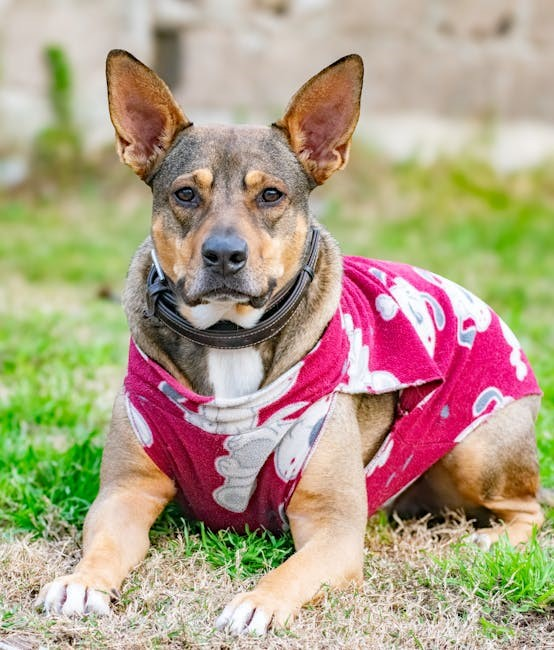
The chest measurement is paramount, especially for dogs with broader builds. A sweater too tight in the chest will restrict breathing and movement, while one too loose may slip off or offer minimal insulation. The neck opening should comfortably accommodate the dog’s head without being so tight as to cause chafing or discomfort.
Ruffwear’s sizing issues are particularly noticeable with sweaters; a dog fitting a small harness may be too large for a small sweater, or vice versa. Sizing up on sweaters is generally preferable to avoid constriction, but be mindful of bulkiness.
Consider the sweater’s material; stretchier fabrics offer more forgiveness in fit. Adjustable features, though less common on sweaters, can provide a customized fit.
Dog Raincoats: Waterproofing and Size Adjustment
When selecting a dog raincoat, prioritize both effective waterproofing and a properly adjusted fit. Length is crucial for adequate coverage, protecting the dog from rain on the back and sides, but chest and belly straps are vital for security and preventing slippage.
A well-fitting raincoat shouldn’t impede movement. Ensure the coat allows a full range of motion for walking, running, and playing. Adjustable straps – around the chest, belly, and sometimes the neck – are highly desirable, allowing for a customized fit, especially for dogs between standard sizes.
Considering Ruffwear’s sizing inconsistencies, carefully measure your dog’s chest and back length before ordering. A raincoat that’s too loose won’t provide sufficient protection from the elements, while a tight fit can be uncomfortable and restrict movement.
Look for features like adjustable Velcro closures and drawstrings to fine-tune the fit. Prioritize quality waterproofing materials to keep your dog dry and comfortable during wet weather adventures.
Dog Pajamas & Onesies: Snug vs. Loose Fit
The ideal fit for dog pajamas and onesies hinges on comfort and functionality. Unlike raincoats requiring specific coverage, pajamas present a “snug versus loose” dilemma. A snug fit provides warmth by trapping body heat, but mustn’t restrict movement or breathing. Too tight, and your dog will be uncomfortable and potentially chafed.
A looser fit allows for greater freedom of movement, ideal for active sleepers, but may compromise warmth. Consider your dog’s activity level and coat thickness when deciding. Muscular builds necessitate a looser fit to avoid constriction.
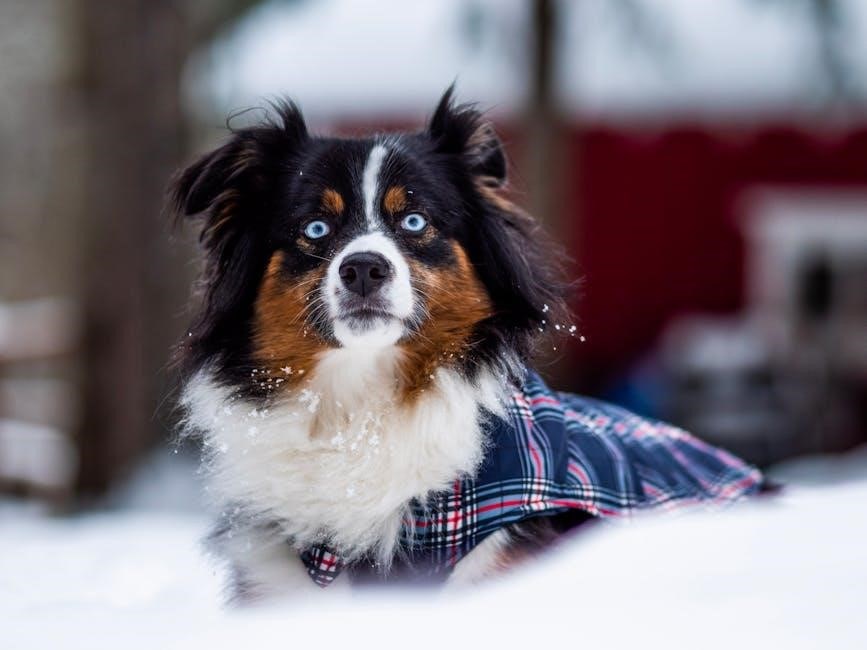
Ruffwear’s sizing challenges highlight the importance of accurate measurements; a too-small onesie can be particularly problematic. Prioritize chest and back length measurements. Adjustable features, like elastic waistbands or leg openings, can help achieve a better fit.
Observe your dog’s behavior while wearing the pajamas. If they seem restricted or uncomfortable, size up. A properly fitted pajama set should allow for natural movement and a comfortable night’s sleep.
Sizing for Specific Body Types
Dogs with deep chests, short legs, or muscular builds require tailored sizing adjustments; standard charts often fall short, necessitating careful measurement and potential modifications for optimal fit.
Deep-Chested Dogs: Adjusting for Chest Girth
Dogs possessing a pronounced deep chest, like Greyhounds or German Shepherds, often encounter sizing challenges with standard dog clothing. The typical issue arises because the chest measurement – arguably the most crucial – is significantly larger than what a standard size chart indicates for their back length or weight.
When fitting clothing on these breeds, prioritize chest girth above all else. Don’t rely solely on weight or breed-generalizations. If your dog falls between sizes based on back length but has a substantial chest, always size up. A slightly looser fit is preferable to constriction, which can restrict movement and cause discomfort.
Look for garments with adjustable features like Velcro closures or expandable straps around the chest. These allow for a customized fit. Be mindful of the garment’s cut; some designs are simply not suited for deep-chested dogs. Consider brands like Hurtta and Chilli Dogs, praised for accommodating various body types, even if they come at a higher price point.
Finally, observe your dog’s posture and range of motion while wearing the clothing. Ensure they can breathe freely, walk comfortably, and aren’t experiencing any chafing or pressure points.
Short-Legged Dogs: Length Considerations
Dachshunds, Corgis, and Basset Hounds, with their distinctive short legs and elongated bodies, present unique challenges when it comes to dog clothing. Standard size charts often prioritize back length, which can be misleading for these breeds. A garment that appears correctly sized based on back length may drag on the ground, creating a tripping hazard and causing discomfort.
Focus on the garment’s overall length, ensuring it doesn’t impede their movement. Prioritize styles designed for shorter-bodied dogs or those with adjustable lengths. When measuring, consider the distance from the base of the neck to where you want the garment to end – typically a few inches above the tail.
Avoid overly long coats or sweaters. Look for designs that are specifically tailored for low-to-the-ground breeds. Adjustable straps or closures can help fine-tune the fit. Remember, a snug but not restrictive fit is ideal. Online communities can offer valuable insights from owners of similar breeds regarding specific brands and styles that work well.
Muscular Builds: Allowing for Movement
Dogs with robust, muscular physiques – like Bulldogs, Boxers, and American Staffordshire Terriers – require clothing that accommodates their broader chest and shoulder measurements. Standard size charts can underestimate the necessary girth, leading to garments that are too tight and restrict their range of motion.
Prioritize chest girth measurements above all else. Look for clothing with adjustable straps or stretchy materials to provide a comfortable, non-constricting fit. Avoid designs that are narrowly cut or lack flexibility. Ensure the garment doesn’t chafe or rub against their muscles during activity.
When sizing, it’s often better to size up rather than down, especially if your dog is between sizes. A slightly looser fit allows for greater freedom of movement. Consider styles specifically designed for athletic builds. Online forums dedicated to these breeds can provide valuable sizing recommendations from fellow owners.
Tips for Finding the Perfect Fit
When a dog falls between sizes, sizing up generally provides more comfort, though bulkiness is a concern; online communities offer invaluable, breed-specific sizing advice.
When Your Dog is Between Sizes: Sizing Up vs. Sizing Down
Encountering a situation where your canine companion’s measurements land between standard sizes is surprisingly common, and the optimal choice – sizing up or down – depends heavily on the garment type and your dog’s build. As observed with Ruffwear products, sizing down can sometimes work for harnesses, particularly to prevent matting of the fur, but this approach isn’t universally applicable.
For clothing like coats and sweaters, sizing up is often preferable, even if it introduces a slight looseness. A slightly larger garment allows for a greater range of motion and prevents constriction, crucial for active dogs. However, excessive looseness diminishes the protective qualities of the clothing, especially in inclement weather like snow. A bulky, ill-fitting coat won’t provide adequate insulation or waterproofing.
Ultimately, prioritizing comfort and functionality is key. Consider your dog’s activity level and the intended use of the clothing. If in doubt, erring on the side of a slightly larger size is generally safer, provided it doesn’t compromise the garment’s effectiveness.
Utilizing Online Communities for Sizing Advice
Navigating dog clothing sizes can be tricky, and leveraging the collective wisdom of online dog communities proves invaluable. Numerous breed-specific and general dog owner groups exist across various platforms, offering a readily available resource for sizing assistance. Posting a request for advice, accompanied by a clear photograph of your dog, significantly increases the accuracy of responses.
When seeking input, be sure to include detailed measurements – back length, chest girth, and neck circumference – alongside your dog’s breed and weight. Clearly indicate what measurements you’re seeking help with, perhaps using labels or arrows on the photo. Strangers are often surprisingly willing to share their experiences and provide helpful insights.
This crowdsourcing approach can reveal brand-specific sizing quirks and provide real-world feedback on fit. Remember to consider the source and weigh multiple opinions before making a final decision. Online communities offer a powerful tool for ensuring a comfortable and well-fitting garment for your furry friend.
Testing Designs & Gathering Feedback
Before launching a dog clothing line, rigorous testing and feedback collection are crucial for refining designs and ensuring optimal fit. Locating potential testers requires networking within the dog community – consider local dog parks, training classes, or breed-specific clubs. Alternatively, a more direct approach involves creating sample garments and distributing them for trial runs.
One method involves designing and crocheting items yourself, then mailing them to testers willing to provide detailed feedback. While this demands more time and resources, it offers greater control over the testing process. Another option is to outsource the crocheting to others, who then test the garments.
Carefully select testers and establish clear expectations regarding feedback – focusing on comfort, range of motion, and overall fit. Be prepared to iterate on designs based on the received input, ultimately leading to a superior product.
Beyond the Size Chart: Additional Considerations
Fabric stretch and adjustable features—Velcro, straps, and drawstrings—significantly impact fit and comfort, allowing for customization beyond standard sizing charts for a secure fit.
Material & Stretch: Impact on Fit
The material composition of dog clothing dramatically influences how it fits and performs. Fabrics with inherent stretch, like those containing spandex or a knit blend, offer greater flexibility and can accommodate variations in a dog’s build. This is particularly beneficial for dogs with muscular physiques or those who fall between standard sizes.
Conversely, materials with limited stretch, such as heavier-weight canvas or denim, require a more precise fit to avoid restricting movement. Consider how the material will behave during activity; a non-stretch fabric might feel constricting when a dog is running or playing.
Furthermore, the amount of stretch can affect the garment’s durability and shape retention. Overly stretchy materials may lose their form quickly, while those with minimal stretch may be prone to tearing if overextended. Evaluating the fabric’s properties is crucial for selecting clothing that provides both comfort and longevity. Remember that a little give can make a big difference!
Adjustable Features: Velcro, Straps, and Drawstrings
Dog clothing equipped with adjustable features – like Velcro closures, straps, and drawstrings – significantly enhances the potential for a customized and secure fit. These elements allow for fine-tuning, accommodating fluctuations in a dog’s weight or body shape, and ensuring optimal comfort during wear.
Velcro straps are particularly useful for adjusting chest girth and neck circumference, providing a quick and easy way to modify the garment’s fit. Drawstrings, often found in hoods or waistbands, offer a similar level of adjustability. Strategically placed straps can also prevent clothing from shifting or riding up during activity.
When assessing adjustable features, prioritize quality and durability. Ensure that Velcro closures are strong and won’t easily detach, and that straps are securely sewn and adjustable over a reasonable range. These details contribute to a more reliable and long-lasting garment.